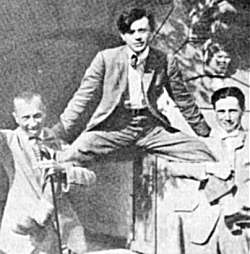

Yannis Ritsos – Poems, Volume III

Χρυσόθεμις//Chrysothemis

Έφυγαν όλοι. Τώρα κάθομαι εδώ και κοιτάω και ξεχνάω και θυμάμαι.
Τα πάντα ήταν καλά. Δε μου χρειάζεται τίποτε, — χορταστική ολιγάρκεια.
Βάζω τα χέρια μου στα γόνατά μου· αγγίζω το κενό· κρατιέμαι
απ’ το κενό. Στέκομαι ακόμη ορθή σ’ ένα εξαίσιο, ετοιμόρροπο μπαλκόνι,
πιασμένη απ’ τα κάγκελα — μετέωρη σχεδόν. Σε τούτα τα κάγκελα,
μετάλλινα, λεία, αντιλαμβάνομαι τις αλλαγές του καιρού, το κρύο, τη ζέστη,
την υγρασία, τ’ αστέρια — εικονικές αλλαγές. Ένα σπουργίτι, πότε πότε,
κάθεται εκεί και με κοιτάει· — γνωριζόμαστε. Δεν έχουμε τίποτα να πούμε.

Θυμάμαι κάποιο απόγευμα, — η μητέρα είχε βγει για κάποια επίσκεψη πριν λίγο·
μπήκα στην κάμαρά της· φόρεσα τα παπούτσια της —ζεστά απ’ τα πόδια της ακόμα—
η ξένη εκείνη ζέστα· — ψήλωσα μεμιάς σα να γνώρισα
μιαν ανεξήγητη αμαρτία. Ολόκληρη βδομάδα δεν τολμούσα
να κοιτάξω στα μάτια τη μητέρα. Κρυβόμουν στους θάμνους του κήπου
προσμένοντας μια τιμωρία ή μιαν ανταμοιβή, — δεν ξέρω.

They all left. Now, I sit here and look around, and I

forget, I remember. Everything was good, I don’t

need anything satiating frugality. I wrap my hands

around my knees, touch the void, hold onto it. I still

stand in a beautiful, ready to tumble balcony, holding

onto a chair, almost floating.  I sense the weather

changes holding onto the metal, smooth, railings;

I sense the cold, the heat, dampness, the stars, change

of images. Sometimes a sparrow sits there and looks

at me; we know each other. We have nothing to say.

I remember one afternoon, mother had gone out for

a visit; I went to her room, I put on her shoes, still

warm from her feet, the strange warmth, I felt that

warmth as if I had grown taller as if I was, at once,

familiar with an inexplicable sin. I couldn’t look

at mother’s eyes for one whole week. I hid amid

the garden bushes waiting for a punishment or

reward; I don’t know.
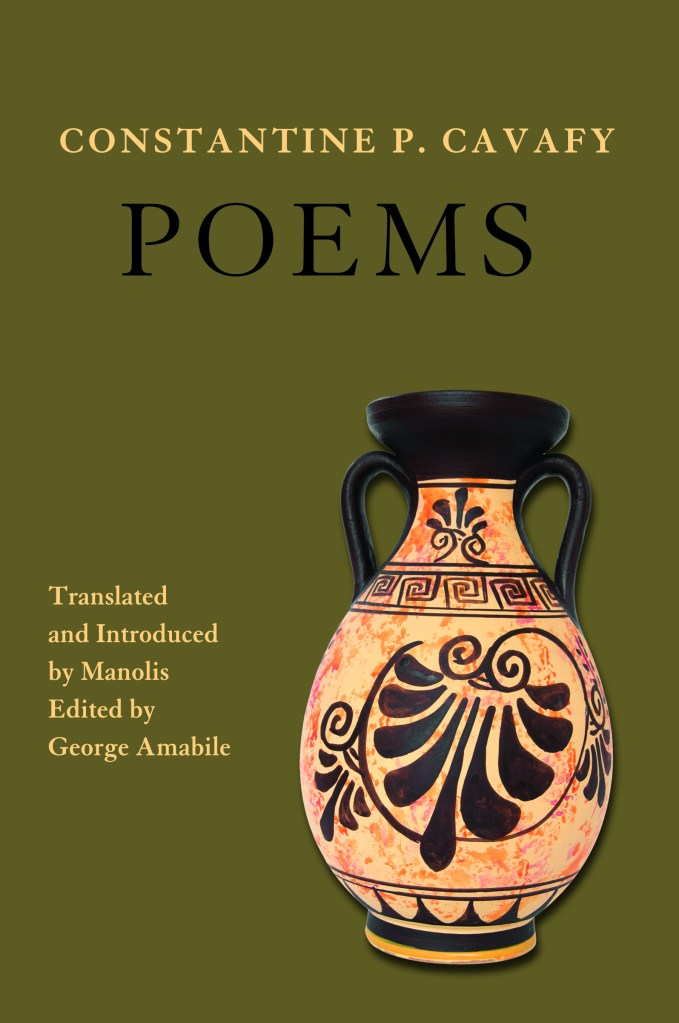
https://www.amazon.com/dp/B096TLBNFK

Constantine P. Cavafy – Poems

MYRIS: ALEXANDRIA, 340 A.D.

When I learned of the calamity, that Myris died,

I went to his house, although I avoid

going into the houses of Christians,

especially when they mourn or celebrate.

I stood in the hallway. I didn’t want

to go farther, because I noticed that

the relatives of the dead person looked at me

with obvious wonder and displeasure.

They had him laid out in a large room

and from where I stood I saw only part

of it; full of expensive carpets,

and vessels made of silver and gold.

I stood at one side of the hallway and wept.

And I thought that our gatherings and outings

Would no longer be worthwhile without Myris;

and I thought that I wouldn’t see him again

at our beautiful and lustful all night parties

laughing and enjoying himself, and reciting verses

with his fine feeling for Greek rhythm;

and I thought how I had lost forever

the young man I so passionately adored.

Nearby, some old women, spoke in a low voice

about his last day alive—

Christ’s name was on his lips all the time,

they said, and he held a cross in his hands.—

Then four Christian priests

Came into the room, praying

and offering supplications to Jesus,

or to Virgin Mary (I don’t know their religion well).

We knew of course that Myris was Christian.

We knew from the first moment

he joined our group two years ago.

But he behaved precisely as we did.

He was the most addicted of all of us to carnal pleasures;

spending his money lavishly on amusements.

Indifferent to the people’s regard,

he threw himself willingly into the nightly fights

every time our group happened

to come across an opposing group.

He never spoke of his religious beliefs.

In fact, I remember once we said

that we would take him to the Serapeion.

However, I remember now, it seems

he got annoyed with this jest of ours.

Ah, another two instances come to mind as well.

When we offered libations to Poseidon,

he pulled back from our group, and looked away.

When one of us proposed enthusiastically,

“let our group be under the auspices

of the great and all beautiful Apollo”—Myris whispered,

(the others didn’t hear him) “excluding me”.

In loud voices the Christian priests

prayed for the soul of the young man.—

I observed with what care,

and with what intense attention

to their religious rites everything was

prepared for the Christian burial.

And suddenly a strange impression

overtook me. I felt that, in some indefinable way,

Myris was leaving my side;

I felt that he joined, as Christian,

his relatives and that I was becoming a stranger,

a total stranger; I felt a doubt come over me:

perhaps I was fooling myself because

of my passion and I truly was a stranger to him.—

I ran out of their horrible house

I left quickly before the memory of Myris

got altered by their Christianity.

https://www.amazon.com/dp/1723961833

Tristan Tzara, Ένα παλιό τραγούδι

Το κόσκινο's avatarTo Koskino

Το ποίημα τούτο το ’φτιαξα πλάι στ’ αρμυρό το ρέμα.
Τ’ ακούς; Να πας να της το πεις κατ’ όπου πάει και φτάνει.
Είναι ψηλή κι έχει καλό και ήσυχο το βλέμμα,
κι είναι ξανθιά σαν τα σπαρτά που φρίκιασαν δρεπάνι.
Αχού, πού πας, αγάπη μου, κι είναι χειμώνας, δείλι;
Πού; Κι είναι η καρδούλα μου λούλουδο μαραμένο,
χάρτινο ποίημα παλιό, που το ’χω ξαποστείλει
κάτ’ από το τραπέζι μου, κατατσαλακωμένο;
Απ’ το θλιβό τ’ απόγευμα πήρα τη όψη σου όλη
και πήγα και την κάρφωσα πάνω στο εικονοστάσι
και αρχινώ τις προσευχές σα βρέξει στο περβόλι
για νιώσω πως η λησμονιά λέει να καταφτάσει.
Κάποτε, αγάπη μου, έρχονταν μονάχα τους κοντά σου
τα κοκοράκια κι άρχιζες τα τρυφερά λογάκια.
Σα τη μανούλα τα ’παιρνες γλυκά στην αγκαλιά σου.
Μα τώρα πια ποιος θα τα πάει να κάνουνε νανάκια;
Αχού, πονάει, αγάπη μου, το χτεσινό σου αντίο.
Πεινούν τα κοκοράκια…

View original post 64 more words

Ο Gabriel García Márquez και η λατινοαμερικανική λογοτεχνία

kalantzianastasia's avataranastasiakalantzi59


Search

Μικρά που έμειναν στο Περιθώριο

Περιθώριο

Ο Gabriel García Márquez και η λατινοαμερικανική λογοτεχνία

May 29, 2023Ιστορία,Πεζογραφία,Τέχνες

Η λατινοαμερικανική λογοτεχνία εκτός από μεμονωμένες περιπτώσεις εμφανίζεται στο δεύτερο μισό του 19ου αιώνα. Κι όχι τυχαία είναι ή εποχή πού ή μία μετά την άλλη οι χώρες αποκτούν την ανεξαρτησία τους. Από τότε μπορεί να διακρίνει κανείς μέσα από τα πρώτα λογοτεχνικά έργα, τα επηρεασμένα από τα ποικίλα ευρωπαϊκά ρεύματα, την αναζήτηση και την προσπάθεια δημιουργίας μιας ενιαίας γλώσσας, ικανής να εκφράσει την κοινωνική συνείδηση των λατινοαμερικάνικων λαών. Μιας γλώσσας επιβεβλημένο όργανο τής αποικιοκρατίας- πού έπρεπε να μεταμορφωθεί σέ συλλογικό όργανο ικανό να απελευθερώσει τούς λατινοαμερικάνικους λαούς από το φάντασμα τής ιστορίας πού τούς δυνάστευε και ταυτόχρονα ν’ ανακαλύψει και ν ανασύρει μέσα απ’ αυτό το νήμα τής δικιάς τους…

View original post 1,645 more words