XIII Hydra Dolphins, banners and cannon shots. The pelagos once so bitter for your soul carried the many-coloured and glittering ships it swayed, rolled and pitched them, totally blue with white wings once so bitter for your soul now full of colours in the sun. White sails and sunlight and the wet oars struck the stilled waters with a rhythm of drums. Your eyes, gazing, would be beautiful your arms, extending, would shine your lips, would be alive, as they used to be before such miracle; you searched for it what did you search for in front of the ashes or in the rain, in the fog, in the wind even when the lights were dimmed and the city was sinking and from the stone pavement the Nazarene showed you his heart what did you search for? Why don’t you come? What did you search for?
“Matthew,” she yells, but hears no answer. She walks upstairs to their bedroom. Everything is the way she left it before going out. She goes toward the bathroom and before entering, sees his body through the half-opened door. “Oh, my God!” she yells to herself. “Oh my God, Matthew…” She leans against the door frame of the bathroom. “Oh, my God, you found the courage for that!” It seems as if she’s waiting for an answer from her dead husband. She lets her body slide down along the door frame to the floor of the bathroom, and sits staring at him. All the clocks of the world suddenly stop, and Emily Roberts exists in a timeless state, in a condition of self-absorption and contemplation, as if amid the petals of a diaphanous flower, or amid the thorns of a crown an invisible hand has placed on top of her head, and her blood begins to trickle down her forehead like in a crucifixion. Then suddenly, time strikes loudly on her left tympanum and pierces her head to the right, making her blink as if trying to find consolation among the myriad bad thoughts flooding her mind. The world doesn’t have any consolation for Emily Roberts, not now, not at this moment, not today. The world has turned into a new purgatory and Emily floats like a masked misery searching for the proper face. She feels an inexplicable numbness; not hatred anymore, not anger, not joy—but a feeling of immense freedom from the chain she has dragged for such a long time. She feels no pain, but what is it she feels? Is she filled with fear or is she light as a feather, like a free butterfly flitting from one flower to the other? Time strikes again as if hitting a loud cymbal and brings her back to this world where she has things to do. She needs to call Jennifer; she needs to call the police; perhaps she has to call Bevan; and yes, she needs to call Talal. Oh, God, how she needs to call him now. She runs downstairs and picks up the phone. She dials Talal’s number first. He answers, “hi, sweetheart, what’s up?” “Matthew. Matthew is dead.” “What? How? Are you okay? I’m coming right over. Stay calm, I’ll be right there.” She dials Jennifer’s cell number. Jennifer answers, “hi mom, how are you?” “Sweetheart, it’s your dad. Come home, please. Your dad is dead.” Jennifer is with Hakim in Ibrahim’s hotel room. They have helped him from the clinic to his suite at the Sheraton. She’s flabbergasted hearing about her dad being dead. She says aloud, “What happened? How? I’m coming home, right now.” Hakim, who has overheard, says, “What happened? Is everything alright?” “No honey, I have to go home, right now, please. My dad is dead.”
Gardens in the High Noon The white body of the woman was lit from within with such a bright light that I had to take the lamp and put it on the floor so that the shadows of our tender bodies could be projected on the wall with a biblical religiosity the lamp shone constantly during the whole night, the source of oil was inexhaustible, the following day and the next one onto the floor the rich piled carpets the beautiful fruit the brightest flowers with white and red oleanders reigned everywhere the atmosphere was symbolic, from a yellow: a golden yellow.

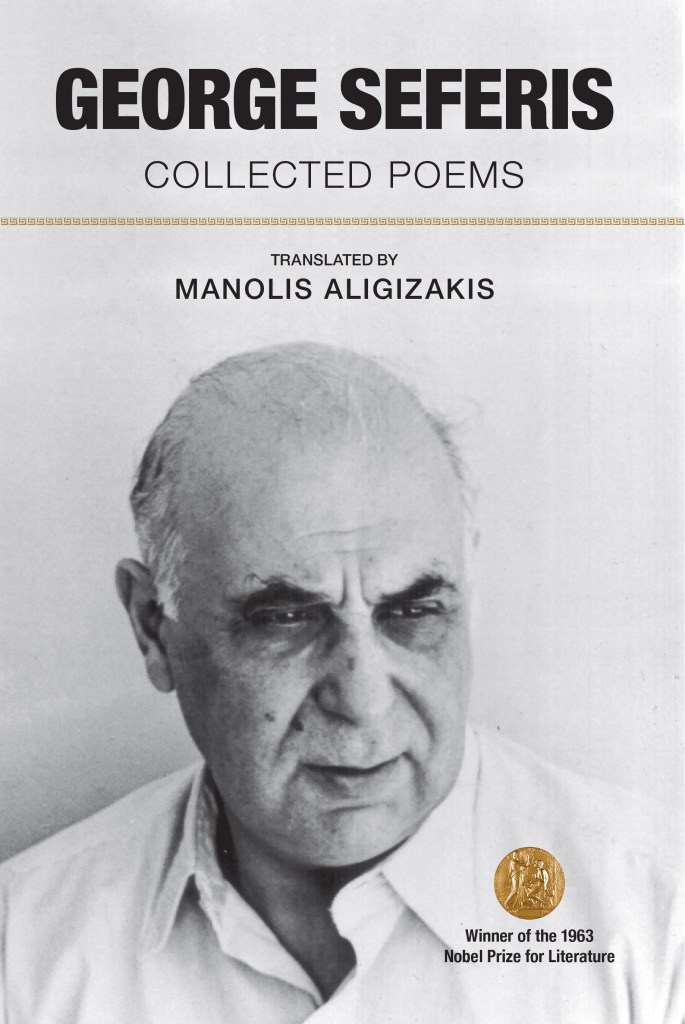


 Manolis Aligizakis