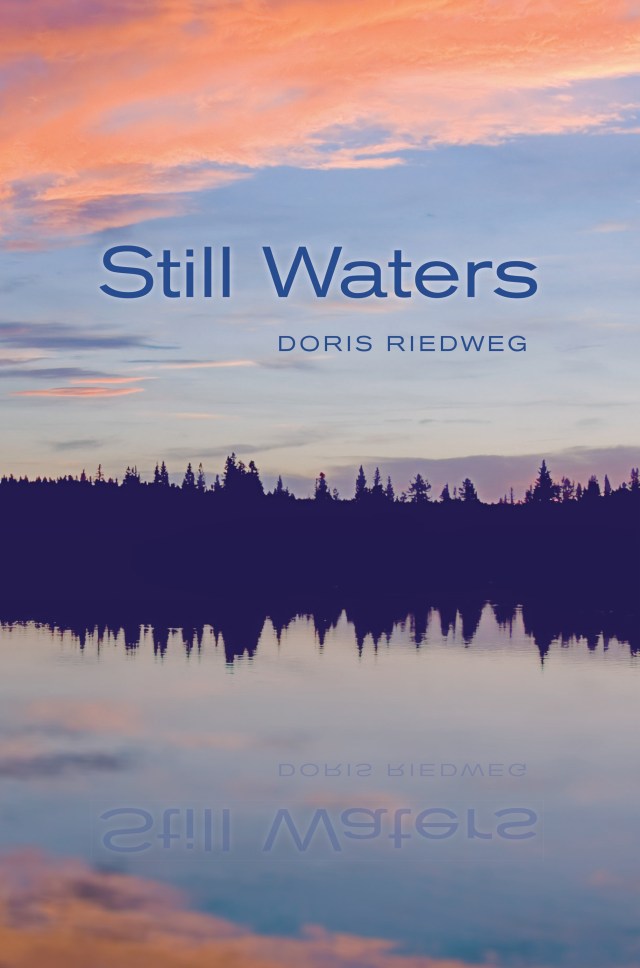
Still Waters

excerpt

As they sauntered, and Morley talked, Tyne breathed in the pleasing
aroma of new lumber and tried to imagine walls, furniture, cheerful
draperies at windows, and white curtains surrounding and separating
beds. Morley walked her through what would be the maternity
wing, its rooms consisting of four-bed wards, one semi-private and
one private room. There was a labour room, and the delivery room
with a workroom across from it.
He pointed out the tiny laboratory and the x-ray with the dark
room for developing films. She wondered how he could remember
so precisely the location of every service. Apart from the large space
for the kitchen, it all looked much the same to her. They passed a
recessed area where he said the nurses’ station and chart room would
be, then led her down another wing which corresponded to the maternity
wing on the other end of the building. At a framed-in doorway,
he stopped and turned to her.
“Now this, Miss Milligan,” he said with formality, “is where your
interest will certainly lie. Allow me to show you around the surgical
suite.”
“Oh, my land,” Tyne said, amazed. “It’s … it’s so ….”
“Small,” Morley finished for her.
“Well … but it’s right for the size of the hospital, of course.”
A fairly large room with framed-in windows was, he said, the
main operating room. Across from it a much roomier space would
contain the workroom and clean-up area. A linen and supply cupboard,
a doctor’s change room and a small operating room, which
would double as an emergency and outpatient area, made up the
remainder of the space.
“But the windows in the operating room?” Tyne said, a question
in her voice, “I’m surprised at that. It doesn’t seem sanitary. Will they
be made to open?”
“Yes, apparently they will.” He grinned. “An air-conditioned operating
room, of course.”
Tyne grimaced and turned away. So be it. She didn’t know if she
would ever have to work in a small country hospital, but one thing
she was sure of – it would certainly take some getting used to.
They parted beside his pickup, standing on the frozen rough
ground that would one day be the ambulance entrance to a side…
https://www.amazon.com/dp/1926763068

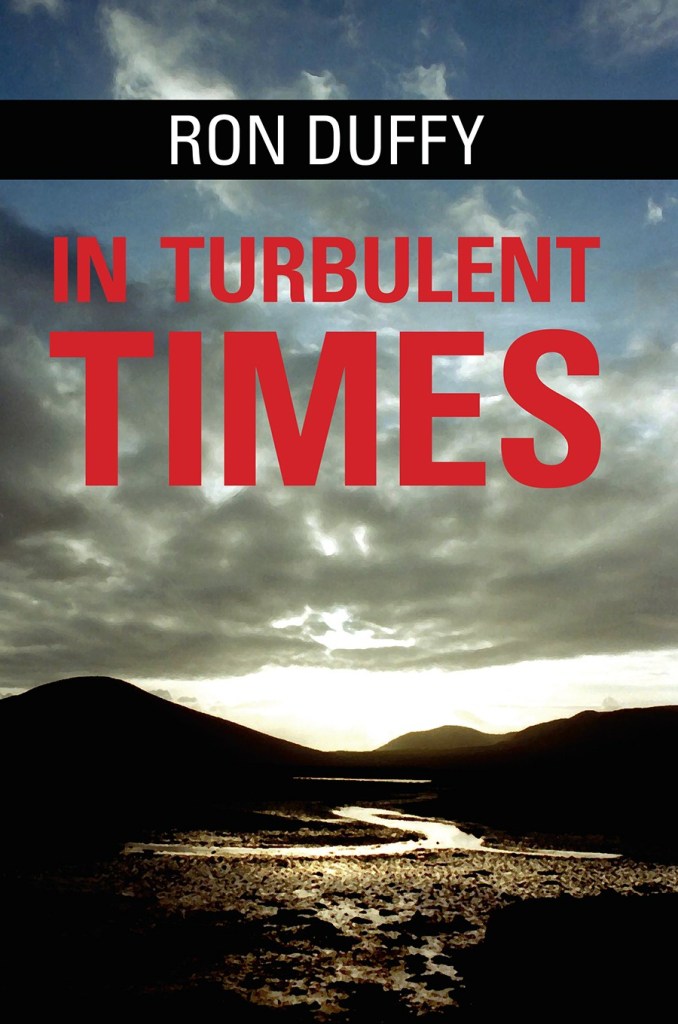
In Turbulent Times

excerpt

‘The Twelfth’ means one thing to the Protestants of Northern Ireland: the annual Protestant celebration on the twelfth of July. This is the Orangemen’s Day, the day on which they turn out in their thousands to commemorate the 1690 Battle of the Boyne, in which the Protestant King William III defeated the forces of the deposed Catholic King James and thereby ensured that the British monarchy would be forever Protestant. The commemoration takes the form of parades throughout Northern Ireland, the largest being in the city of Belfast which takes on a festive atmosphere, at least in the Unionist areas. At the start of July, some of these Unionist areas will proudly fly Union flags, Ulster flags, sometimes even the flag of Scotland, from lamp posts and houses, and stretch lines of red, white and blue bunting over the streets. In especially Loyalist areas householders decorate their homes with defiant displays of bunting and flags, touch up murals depicting historic Protestant themes, attach small banners to lamp posts, and erect arches across residential streets or even main roads, the arches ranging from elaborate wooden, trellised constructions to a couple of ropes hung with the ubiquitous flags and bunting.
Orangemen on parade typically wear a dark suit, an Orange sash, white gloves and a bowler hat. They march in orderly rows behind flute, brass, silver or pipe bands, each lodge bearing aloft its large, elaborate banner. Orange banners are a significant part of the culture of Northern Ireland, particularly for the Protestant community, and one of the most prominent genres of folk art in the province. They depict in luxuriant detail heroes of the Orange Institution or historic or biblical scenes, or Unionist symbols, the most popular subject being King William on his white horse, purportedly crossing the River Boyne. An Orange parade is a noisy, boisterous, colourful demonstration of Protestant supremacy, with its hundreds of bands and banners and sashes, its jubilant throngs of spectators lining the route of the march or supporters walking alongside their favourite band or lodge, singing provocative Orange songs at the top of their voices. The Belfast-born poet, Louis MacNeice, wrote about ‘the voodoo of the Orange bands / Drawing an iron net through darkest Ulster…’
While The Twelfth is a Protestant celebration, not all Protestants celebrate it, whether for personal political or cultural reasons or from bored indifference. One such was Robert Hanlon, a Protestant married to a non-practising Catholic. He always left his native city on The Twelfth, happy to flee to the peace of the countryside. On the weekend before the big day …

https://draft2digital.com/book/3562904

https://www.amazon.com/dp/1926763270

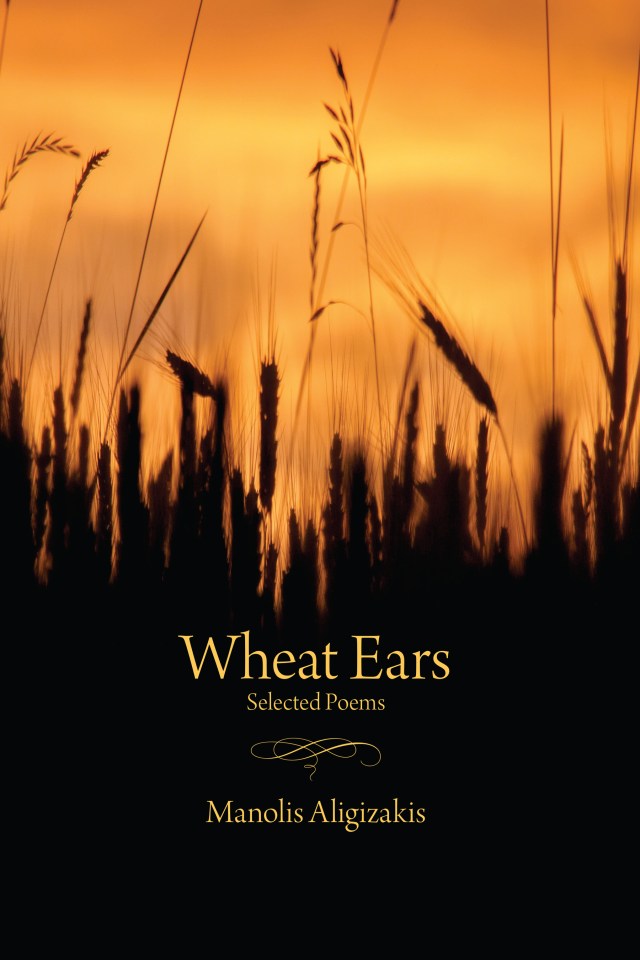
Wheat Ears

Ηeat Wave
Soft island hills
lapping on sea froth
cicadas fire up
their endless arias
come close to me, you said to me,
stand before me like Hermes
a naked graceful cypress
that I’ll keep you
in my eyes for
the long winter days
when we’ll be apart
moments I’ll
yearn for your warmth
come close to me, I beg you
let me touch your skin
the day is fiery
and unbearable like
the body’s conflagration

https://draft2digital.com/book/3748127#print

https://www.amazon.com/dp/B0BKHW4B4S

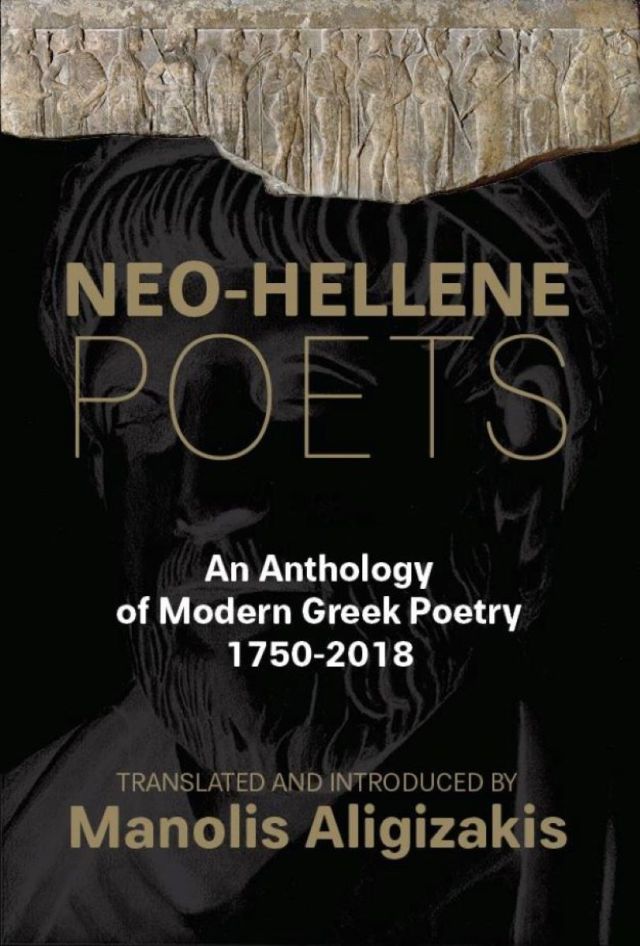
Neo-Hellene Poets: An Anthology of Modern Greek Poetry

KISS
Like golden sails my dreams sail slowly
on the lustful seas of fantasy
and glide to where you’ve gone,
where your two eyes laugh and cry
where you shine, beloved lily,
girl of unblemished beauty,
and tuneful songs join your enchantment
that breathes from unkissed lips.
My saddened heart rejoices when
in night’s cool darkness, tempest passed,
you come to bloom, my little flower,
in the lonely orchard of the world.
My soul that never learned to kiss
then knows immaculate ecstasy.

https://draft2digital.com/book/3562959

https://www.amazon.com/dp/1926763513