Burning Bush Lighthouse that you write letters on the immenseness on every wounded who dreams eyelid that flickers in the night in the wrinkles of fear, you send reflections whirling star and daydream of the horizon guard of the rocks hopeless Aegeus lover of white sails what could you be at the lakeshore of a foreign land without the knowledge of the closing wave that never reaches but changes the world without changing anything a wise book of immenseness the illusion of each day starts in the mind and each day includes invisible versions of all complete beings shivering soul of the bright galaxy what could you be in a world filled with certainty and smooth concepts?
I Logos in absentia while in the stained soil, all earthworms burrow toward the west, trickling anger undresses the magnolias when human nakedness like a yellow dandelion slowly treads down the road steady pace on its sacred path to the clothes factory where it randomly selects fabrics ethereal designs divine colours and dresses itself in softened satin and black velvet. What then of all waterholes and all the thirsty sparrows? Nakedness emerges in phony light, comes out in flashing fashion smooth as the knife’s sharpened edge gleaming like fire from a hungry pistol. Human nakedness is fully clothed externally glowing yet, unbearably naked.
Old Song The garden railings are wet from the rain, like the poor who are left outside but as night falls, a flute or a star speaks for the whole universe. When we were children, we hid under the stairway and when we came out, we had left behind a royal fate. Silence makes the world bigger, sorrow more just and later, as young men, we hugged the first tree and narrated our past to it, joyless days that you’ve passed; you’ve left behind an emotional memory and I, who was crazy for the future, now in agony, I observe the movement of the clock’s fingers. Until one night, a man goes along the road singing. Where have you heard this song before? You don’t remember. Yet nostalgia of all you dreamed shivers in that song. You stand by the window and listen as if enchanted. And suddenly the song stops at the turn of the road. Everything vanishes. Quiet. And what will you do now?
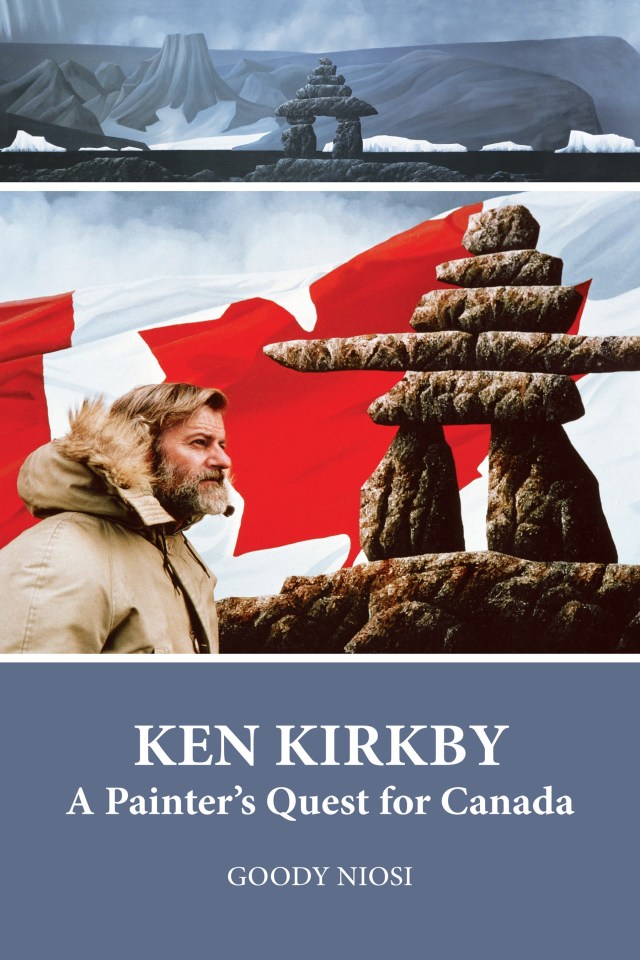
…grandly feted and on another day, he and Marsha visited the village that had been his home. They walked up the Avenue of Princes and stopped in front of number twelve – his home. In the garden, he saw a couple talking with the gardener. Ken leaned over the garden wall, introduced himself, and asked if he could look inside his old boyhood home. The couple frowned, turned their backs on him, and walked into the house, locking the door behind them. The gardener said, “You’re Ken.” “Yes.” “I’m Francisco’s nephew.” “How wonderful to meet you. But why are they so upset?” “They think you’ve come back to claim the house.” Ken laughed. “I just wanted to go inside and look. I thought it might be very nice.” “Oh no. People have been wondering when you would return to take back what is yours.” “I’ve never considered it mine,” he said. They walked on through the village and then down to the beach. Nothing had changed. The wall he and Francisco had built was still there and still trapping the sand to create a beautiful stretch of beach. Even the remains of Francisco’s cabin still clung to the cliffs. They drove to Peniche, the home of their friend, the Count. Even here Ken was recognized, not so much for himself, but for his father; a saint according to the owner of a restaurant, who closed the café in celebration of Ken’s visit and served up a feast for his honoured guests. Back in Toronto, Ken settled into a routine that was continuously interrupted. When he was not working on Isumataq he painted canvases for the gallery and for the financial company’s new collection. His biggest challenge was that the media liked him too much. They wanted to know why he was meeting with presidents in Europe; they wanted to know his plans – what was next? Too much good press was boring so they sought out the malcontents – those who had accused him of appropriating a culture that wasn’t his. He needled them until they fired back. He had come back from his latest Arctic trip with letters from the grandmothers, written in Inuktitut and translated into English, stating that they not only approved of his art, but had also asked him expressly to do what he was doing. The letters were tucked in a file that Ken suspected might be useful one day. Bad press was interesting but outrageous press was better. He had about twenty unfinished paintings, stacked in a corner of the studio, that he would likely never complete. He spread them out on the floor and paced between them. “What are you doing?” Diane asked, poking her head into the studio.