five Twentieth century after zero intellect is rounded dangerously here comes death of every existing artistic style the reign of emotions battles the classic the modern battles the classic furiously the natural observes the deconstruction that has been planted in the newborn-subconscious the classic resists the postmodern Dali embraces Lorca timidly
Five Painters If you were ignorant, you could think they were civil servants. Colorless, at the corner of the restaurant they chit-chat about current affairs. Nothing of their movements or words reveal anything about art. Nothing, other than the smile, I think, and the glance of the oldest one. He just finished, tonight, three hours ago, his most important composition. He senses that it could be the crown achievement of his work now that time is pressing on him. He stays quiet, he only listens. He contemplates the opening night the comments of his peers the people’s simpleminded words. The thorny crown of the critics and later the dissertations, monographs, writings and further down the road a very honorary spot on the museum wall. He contemplates, happy with what he has left behind, that some might imagine his unlimited delight during that night, when he placed his last brushstroke on the canvas. He could explain, with such euphoric euphoria, his intentions and achievements to his friends who would be listening with awe. Intentions and success of the Art, not colorless gossip and banal words that the ignorant always like to repeat.
He was in his room with his mind wandering to faraway lands where he might have to go for a while. Yes, he had to accept the offer. This position was going to be his post. Even if he had to go abroad, it would be just for a while. He liked the idea of being around the young people who could be moulded to his way of thinking. He could be a craftsman who would take soil and plant it into a pot of his liking. Yes, this was a position he had to accept. “Everything will go the way it was supposed to go,” Hermes told himself. Cleaned and dressed, he went downstairs. His aunt was there. “Ready to go, my boy?” “Yes, dear Aunt. I shouldn’t be late.” “You are right. Go then and try to learn everything, so you know what you will get yourself into, conditions, demands, everything, okay? Remember, nobody these days offers you something without expecting something in return.” “Yes, I know, I will find out the best I can. Don’t worry. I’ll tell you all about it when I’m back.” “Are you going to be late?” “No, and I’m not going to Eleni’s after this, if that’s what you are saying,” he answered and went to the door. Half an hour later, he was at the doorstep of the dean’s house and rang the bell. The dean himself opened. “Good evening, Dean.” “Good evening, Hermes. Come in.” He walked in and sat down in an armchair. The house was rich, lordly, with thick carpets and furniture of a conservative style. All kinds of paintings hung on the walls. Some of them were classic styled and coloured pieces, although a couple of them looked modern, especially one, an abstract painting, flooded by an overhead light, looked very impressive as it caught Hermes’ glance, which focused on it for a few extra seconds, not to be missed by the dean, who smiled and, sitting across from Hermes, asked,
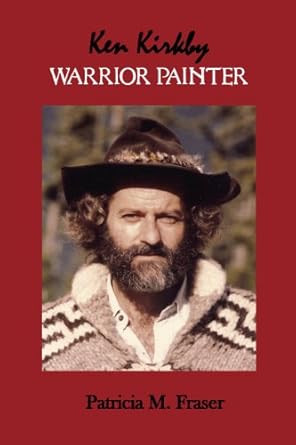
The Minister was a Maritimer and his open, neighbourly manner delighted Ken. Their meeting resulted in the eminently successful 1975 exhibition of Ken’s Arctic work in Spain, and in the fashion of one domino tipping the next, the first Canadian exhibition of the Arctic works was triggered. Once the unusual, haunting images had been seen, and the origin of the work was explained, all the right people wanted to own one of the paintings, and gallery owners were clamouring to exhibit them. Best of all, to Ken’s mind, it had been accomplished without cost to the Canadian government beyond their public support and a few phone calls. This was the beginning of the long road to the national introduction of the Inuit, their stories and experiences, and the growing acceptance of the symbol of the Inukshuk as a uniquely Canadian icon. It could be argued this was the pivotal step that led to the Inukshuk becoming the distinctive symbol of welcome for the 2010 Vancouver Olympics. The Arctic paintings sold by the hundreds, nationally and internationally, to the point where, a quarter of a century later, Canadian Art galleries were objecting to anything other than ice, snow and Inuksuit displaying the Kirkby name. It was ironic. ~~ Despite the history, the lack of outlets for Kirkby’s west coast images promised a lean period ahead for the painter. He decided to force the issue by withholding all of his art until the galleries accepted his new works. The businessmen amongst the owners appreciated the fact that a painting with the Kirkby signature translated into a certain sale, and Ken’s experience had proven they’d come around when their stock was depleted. He continued to work late, the bright light a beacon, spilling warmth from the loft window. And then, one night he returned to the cottage to find the message light blinking on the answering machine. That was the start. While gallery managers still hopefully requested the Arctic series, they agreed to hang work from his Vancouver Island series. Happily, new customers liked it and previous Kirkby collectors were intrigued. Ten years since that breakthrough, his work is more popular than ever and…