Cretan Canadian Poet, Author, Translator, Publisher
Author: vequinox
BIOGRAPHY
Manolis (Emmanuel Aligizakis) is a Greek-Canadian poet and author. He was recently appointed an honorary instructor and fellow of the International Arts Academy, and awarded a Master’s for the Arts in Literature. He is recognized for his ability to convey images and thoughts in a rich and evocative way that tugs at something deep within the reader. Born in the village of Kolibari on the island of Crete in 1947, he moved with his family at a young age to Thessaloniki and then to Athens, where he received his Bachelor of Arts in Political Sciences from the Panteion University of Athens. After graduation, he served in the armed forces for two years and emigrated to Vancouver in 1973, where he worked as an iron worker, train labourer, taxi driver, and stock broker, and studied English Literature at Simon Fraser University. He has written three novels and numerous collections of poetry, which are steadily being released as published works. His articles, poems and short stories in both Greek and English have appeared in various magazines and newspapers in Canada, United States, Sweden, Hungary, Slovakia, Romania, Australia, and Greece. His poetry has been translated into Spanish, Romanian, Swedish, German, Hungarian languages and has been published in book form or in magazines in various countries. He now lives in White Rock, where he spends his time writing, gardening, traveling, and heading Libros Libertad, an unorthodox and independent publishing company which he founded in 2006 with the mission of publishing literary books. His translation book “George Seferis-Collected Poems” was shortlisted for the Greek National Literary Awards the highest literary recognition of Greece.
Distinguished Awards
Winner of the Dr. Asha Bhargava Memorial Award, Writers International Network Canada, 2014
“George Seferis-Collected Poems” translated by Manolis, shortlisted for the Greek National Literary Awards, translation category.
1st International Poetry Prize for his translation of “George Seferis-Collected Poems”, 2013
Master of the Arts in Literature, International Arts Academy, 2013
1st Prize for poetry, 7th Volos poetry Competition, 2012
Honorary instructor and fellow, International Arts Academy, 2012
2nd Prize for short story, Interartia festival, 2012
2nd Prize for Poetry, Interartia Festival, 2012
2nd Prize for poetry, Interartia Festival, 2011
3rd prize for short stories, Interartia Festival, 2011
Books by Manolis
Autumn Leaves, poetry, Ekstasis Editions, 2014
Übermensch/Υπεράνθρωπος, poetry, Ekstasis Editions, 2013
Mythography, paintings and poetry, Libros Libertad, 2012
Nostos and Algos, poetry, Ekstasis Editions, 2012
Vortex, poetry, Libros Libertad, 2011
The Circle, novel, Libros Libertad, 2011
Vernal Equinox, poetry, Ekstasis Editions, 2011
Opera Bufa, poetry, Libros Libertad, 2010
Vespers, poetry by Manolis paintings by Ken Kirkby, Libros Libertad, 2010
Triptych, poetry, Ekstasis Editions, 2010
Nuances, poetry, Ekstasis Editions, 2009
Rendition, poetry, Libros Libertad, 2009
Impulses, poetry, Libros Libertad, 2009
Troglodytes, poetry, Libros Libertad, 2008
Petros Spathis, novel, Libros Libertad, 2008
El Greco, poetry, Libros Libertad, 2007
Path of Thorns, poetry, Libros Libertad, 2006
Footprints in Sandstone, poetry, Authorhouse, Bloomington, Indiana, 2006
The Orphans - an Anthology, poetry, Authorhouse, Bloomington, Indiana, 2005
Translations by Manolis
Idolaters, a novel by Joanna Frangia, Libros Libertad, 2014
Tasos Livaditis-Selected Poems, Libros Libertad, 2014
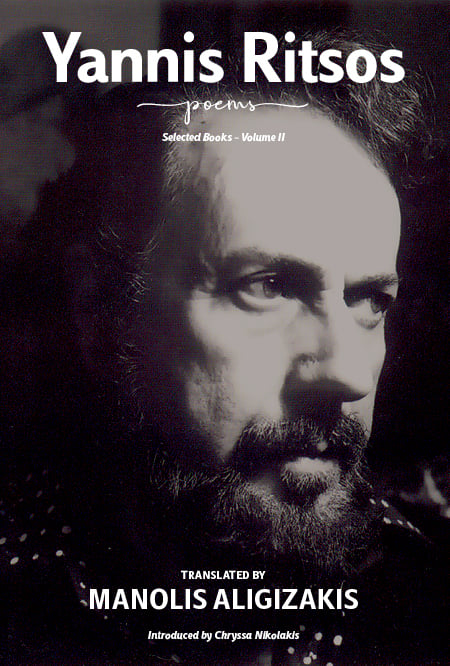
Yannis Ritsos-Selected Poems, Ekstasis Editions, 2013
Cloe and Alexandra-Selected Poems, Libros Libertad, 2013
George Seferis-Collected Poems, Libros Libertad, 2012
Yannis Ritsos-Poems, Libros Libertad, 2010
Constantine P. Cafavy - Poems, Libros Libertad, 2008
Cavafy-Selected Poems, Ekstasis Editions, 2011
Books in other languages
Eszmelet, (Hungarian), poetry by Manolis Aligizakis, translated into Hungarian by Karoly Csiby, AB-ART, Bratislava, Slovakia, 2014
Hierodoules, (Greek), poetry, Sexpirikon, Salonica, Greece, 2014
Yperanthropos,(Greek), poetry, ENEKEN Publications, Salonica, Greece, 2014
Übermensch (German), poetry by Manolis Aligizakis, translated into German by Eniko Thiele Csekei, WINDROSE, Austria, 2014
Nostos si Algos, (Romanian) poetry by Manolis Aligizakis, translated into Romanian by Lucia Gorea, DELLART, Cluj-Napoca, Romania, 2013
Tolmires Anatasis, (Greek) poetry, GAVRIILIDIS EDITIONS, Athens, Greece, 2013
Filloroes, (Greek ) poetry, ENEKEN PUBLICATIONS, Thessaloniki, Greece, 2013
Earini Isimeria, (Greek) poetry, ENEKEN PUBLICATIONS, Thessaloniki, Greece, 2011
Stratis o Roukounas, (Greek) novel, MAVRIDIS EDITIONS, Athens, Greece, 1981
Magazines
Canadian Fiction Magazine—Victoria, BC
Pacific Rim Review of Books—Victoria, BC
Canadian Poetry Review—Victoria, BC
Monday Poem, Leaf Press-Lantzville, BC
The Broadkill Review, Milton, Delaware
Ekeken, Thessaloniki, Greece
Envolimon, Beotia, Greece
Annual Literary Review, Athens, Greece
Stigmes, Crete, Greece
Apodimi Krites, Crete, Greece
Patris, Crete, Greece
Nyxta-Mera, Chania, Greece
Wallflowers, Thessaloniki, Greece
Diasporic Literature Spot, Melbourne, Australia
Black Sheep Dances, California, USA
Diasporic Literature Magazine, Melbourne, Australia
Spotlight on the Arts, Surrey, BC
Barnwood, International Poetry Magazine, Seattle, USA
Unrorean, University of Maine, Farmington, Maine, USA
Vakhikon, Athens, Greece
Paremvasi, Kozani, Greece
Szoros Ko, Bratislava, Slovakia
Mediterranean Poetry, Sweden
Apostaktirio, Athens, Greece
Life and Art, Athens, Greece
Logos and Images, Athens, Greece
Contemporary Writers and Thinkers, Athens, Greece
Palinodiae, Athens, Greece
Royal City Poet’s Anthology, 2013, New Westminster, BC, Canada
To parathyro, Paris, France
Ragazine C.C, New Jersey
Artenistas, Athens Greece
Deucalion the Thessalos, Greece.
Literary Lectern, Athens, Greece
Homo Universalis, Athens Greece
Άνεμος με δάχτυλα φυσά Καταμεσής του Αυγούστου δύο φουντωμένες ουρές χαϊδεύονται τέσσερα μάτια ράβονται Άλλη μια κόρη γεννήθηκε Αδιάβροχη είναι -νομίζει- Ξέρει πως δεν ξέρει αν το φθινόπωρο θα κρατά ομπρέλα θα βραχεί ή θα πνιγεί Προς το παρόν -λέει- έχει καύσωνα
*
ημερολόγιο σποράς και φυτέματος
Αφού οι κόρες των ματιών ακόμη διαστέλλονται κι η νύχτα στο βογκητό της μέρας ντυμένη καπνίζει κι αφού το σώμα σου στυλώνεται με μαγκούρα τη λέξη, σκοτούρες άτυπης εκεχειρίας διαθλώνται σε φως
Σε χέρια τεχνιτών διυλίζεται η σκόνη φυτρώνουν ακόμη νεραντζιές στην Πατησίων
Το 430 π.Χ., η εντεκάχρονη αρχαία Αθηναία Μύρτις, ένα θύμα και αυτή, όπως και ο Περικλής, του μεγάλου λοιμού των Αθηνών, δεν θα μπορούσε να φανταστεί ότι μετά από σχεδόν 2.500 χρόνια, θα συμμετείχε στην παγκόσμια προσπάθεια για την καταπολέμηση της πανδημίας του κορωνοϊού.
Έκλαψα κείνη την ημέρα για όλη μου τη ζωή, για τα περήφανα άλογα, για τα διωγμένα σκυλιά, για τα πουλιά, για τα μερμήγκια, για το γαϊδούρι του μπαρμπα-Σταμάτη που έβοσκε ήσυχα στον κάμπο, σ’ ένα κατάξερο κίτρινο χωράφι, — το ’βλεπα απ’ το παράθυρο· — «γαϊδουράκι μου, γαϊδουράκι μου», φώναζα μέσα μου — και λέοντας «γαϊδουράκι μου», εννοούσα τον κόσμο. Τότε βάλθηκα να κλαίω δυνατότερα ίσως για να μ’ ακούσει η αδάκρυτη αδελφή μου. Οι υπηρέτριες μαζεύαν απέξω τα μεγάλα ζεσταμένα χαλιά· — την κόκκινη ζέστα τους την ένιωσα, μεγάλη, υγιεινή, σ’ όλο το σώμα μου. Τα μάτια μου στεγνώσαν. Ο κόσμος ήταν ζεστός, χνουδωτός, ολοπόρφυρος — μαζί κι οι πεθαμένοι.
I cried that day, I cried for my whole life, for the proud
horses, the stray dogs, for the birds, the ants, for uncle
Stamatis’ donkey that grazed calmly in the plain, in
a dried up yellow field, I saw it from my window,
my little donkey, my little donkey, I cried inside me
and calling it my little donkey I meant the whole world.
Then I decided to cry louder so that
perhaps my tearless sister could hear me. The servant
girls gathered the big, warm carpets, I felt their red
warmth, strong, healthy over all of my body. My eyes
stopped crying. The world was warm, fluffy, purple
Δεν είναι μόνο θρήνος για το χυμένο γάλα, μα θρήνος για ένα χυμένο γάλα το οποίο υπάρχει μόνο επειδή χύθηκε, εάν δεν χυνόταν δεν θα υπήρχε. Αυτό περιγράφεται από πολλούς, αν όχι σχεδόν απ’ όλους πλέον, ως «έκφραση του πνεύματος της εποχής» καθώς επικρατεί η εντύπωση πως το πνεύμα της εποχής χρειάζεται φερέφωνο ή τηλεβόα, πως δεν εκφράζεται ολοκληρωτικά δίχως τη συνδρομή ενός ποιητή, λες και το πνεύμα κάθε εποχής δεν είναι παρά μια μετάβαση από το υποσχόμενο στο ανεπαρκές.
Ο τόπος είναι γεμάτος από ανθρώπους που υπερασπίζονται την αφοσίωσή τους, που αφήνουν το δικό τους «λιθαράκι». Με αυτά τα λιθαράκια λιθοβολείται η ποίηση. Ο εσμός της μετριότητας διαθέτει τους δικούς του δοκησίσοφους οι οποίοι εναντιώνονται σε κάθε μετριότητα που αποσπά τον έπαινο από τη μετριότητα. Θηριοδαμαστές σκιών προσπαθούν να πείσουν τον εαυτό τους και τους άλλους πως ό,τι περνά απ’ το μυαλό τους είναι πνευματική σύλληψη…
Τί απόμεινες έτσι σαν πετρωμένος σε μια στάση αποδοκιμασίας κι ίσως με μια έκφραση μυκτηρισμού και σπιλωμένης αγνότητας. Πήγαινε τώρα να πλύνεις τον ιδρώτα και τη σκόνη των λαμπρών, μοναχικών κυνηγιών σου. Τη λάμπα δεν την ανάβω. Πήγαινε. Ω, ναι, κι απόψε, όπως πάντα, πολύ θα το ’θελα να σε οδηγήσω εγώ στο λουτρό, να σε πλύνω με τα ίδια τα χέρια μου — να σε γνωρίσουν τα χέρια μου. Το κορμί σου καλά το ξέρω, σαν ποίημα αποστηθισμένο που διαρκώς το ξεχνώ, — το πιο άγνωστο πράγμα του κόσμου το πιο ευμετάβλητο κι ασύλληπτο είναι τ’ ανθρώπου σώμα — ποιός μπορεί να το μάθει;
Ακόμη και τ’ αγάλματα, παρότι ασάλευτα, παρότι τόσες και τόσες φορές ιδωμένα κι αγγιγμένα, νομίζεις πως είναι ρευστά κι αυτά, κυμαινόμενα· — σου διαφεύγουν. Όταν κλείνεις τα μάτια δε σου είναι δυνατό να τ’ αναπλάσεις με ακρίβεια, να τ’ ανασυγκροτήσεις. Η Τροφός χιλιάδες φορές, με κάθε λεπτομέρεια μου ’χει ιστορήσει το κορμί σου. Συχνά, αφηρημένη, σε σχεδιάζω ολόγυμνον στο πίσω μέρος στα πακέτα των τσιγάρων μου. Ύστερα γεμίζω το σχέδιο με μικρές μαργαρίτες, για να σε κρύψω, κι είναι σα να σκεπάζω έναν ωραίο νεκρό με λουλούδια.
How have you become so petrified in your disapproval
and perhaps with an expression of irony and dishonored
innocence. But go now to clean the sweat and dust off your
fine, lonely hunts. I don’t light the lamp. Go. Oh, yes,
and tonight, as always, I’d love to take you to the bath, to wash you
with my own hands, that my hands become familiar with you.
I know your body well, like a poem I can recite off by heart,
and which I always forget, the most unknown thing of the world,
the most changeable, inconceivable human body — who can
get familiar with it?
Even the statues, which although motionless have been
seen and touched, you think they’re fluid, undulating,
they escape you. When you close your eyes you can’t
replicate them accurately, you can’t re-establish. The maid
has described, a thousand times, your body in detail. Often,
absentmindedly, I draw your naked likeness on the back
of my cigarette package. Then I fill the rest of the space
with tiny daisies, just to hide you, and it’s as if to cover
Το Μουσείο Αρχαίας Ελληνικής Τεχνολογίας «Κώστα Κοτσανά» σε συνεργασία με το Παιδικό Μουσείο Exploration προσκαλεί γονείς και παιδιά να ταξιδέψουν πίσω στο χρόνο για να γνωρίσουν και να ανακαλύψουν τις τεχνολογικές εφευρέσεις των αρχαίων Ελλήνων!



 Το 430 π.Χ., η εντεκάχρονη αρχαία Αθηναία Μύρτις, ένα θύμα και αυτή, όπως και ο Περικλής, του μεγάλου λοιμού των Αθηνών, δεν θα μπορούσε να φανταστεί ότι μετά από σχεδόν 2.500 χρόνια, θα συμμετείχε στην παγκόσμια προσπάθεια για την καταπολέμηση της πανδημίας του κορωνοϊού.

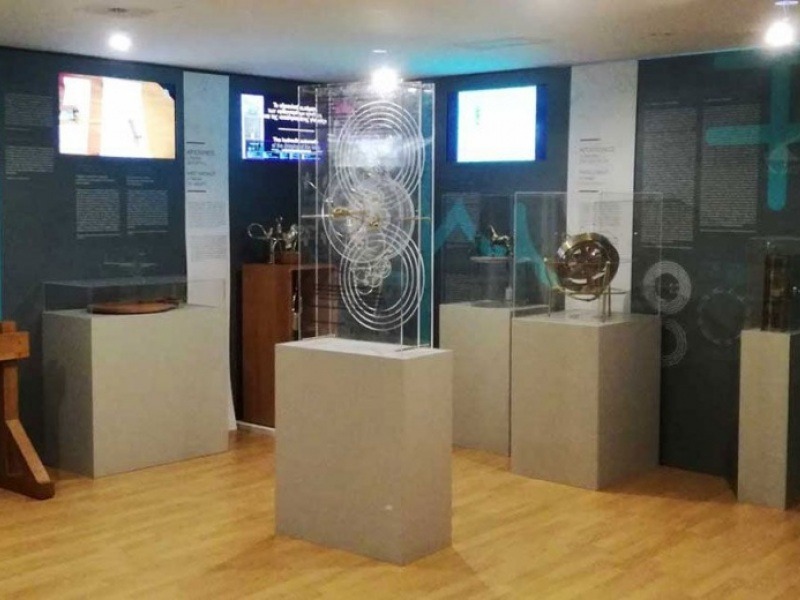 Το Μουσείο Αρχαίας Ελληνικής Τεχνολογίας «Κώστα Κοτσανά» σε συνεργασία με το Παιδικό Μουσείο Exploration προσκαλεί γονείς και παιδιά να ταξιδέψουν πίσω στο χρόνο για να γνωρίσουν και να ανακαλύψουν τις τεχνολογικές εφευρέσεις των αρχαίων Ελλήνων!
 Manolis Aligizakis