Pip: Manolis Aligizakis runs a site where the ancient and the urgent share the same page — Cavafy and civil war, hobos and murder investigations, all in the same week.
Mara: vequinox has been busy across a wide range of territory — modern Greek poetry, political conflict and social upheaval, and narrative fiction with some sharply drawn characters at the center of it all. Let's start with the poetry.
Greek Voices, Ancient and Modern
Pip: The poetry posts here span centuries of Greek sensibility — from Cavafy's cool historical ironies to contemporary voices wrestling with longing, identity, and the weight of the body itself.
Mara: The Cavafy post sets the tone. Translating the poem "In 200 B.C.," it ends with a pivot that reframes the whole Macedonian campaign: "And from this marvellous Panhellenic campaign, the victorious, the splendorous, the most famous, glorified, as no other has been glorified, the incomparable: we were born."
Pip: So the Spartans sitting it out becomes almost beside the point — the world that emerged from their absence is the real subject.
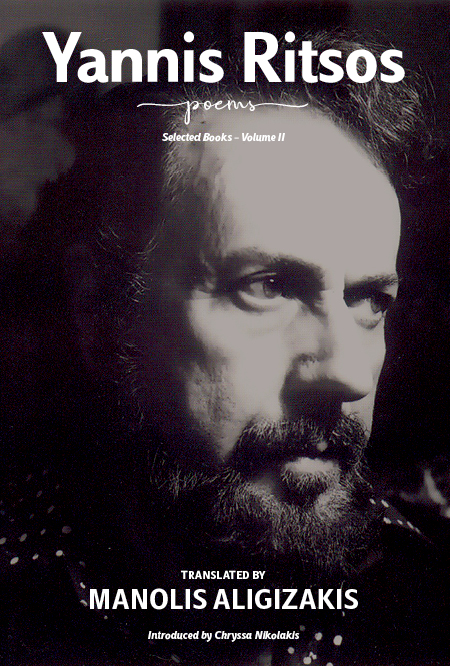
Mara: Exactly the move Cavafy makes. The Yannis Ritsos posts — two of them, from Volume VI — work very differently, in tight, surreal domestic images: a severed antler left by a mirror, an owl made of sheet metal perched quietly on a roof.
Pip: Ritsos does a lot with a very cold room.
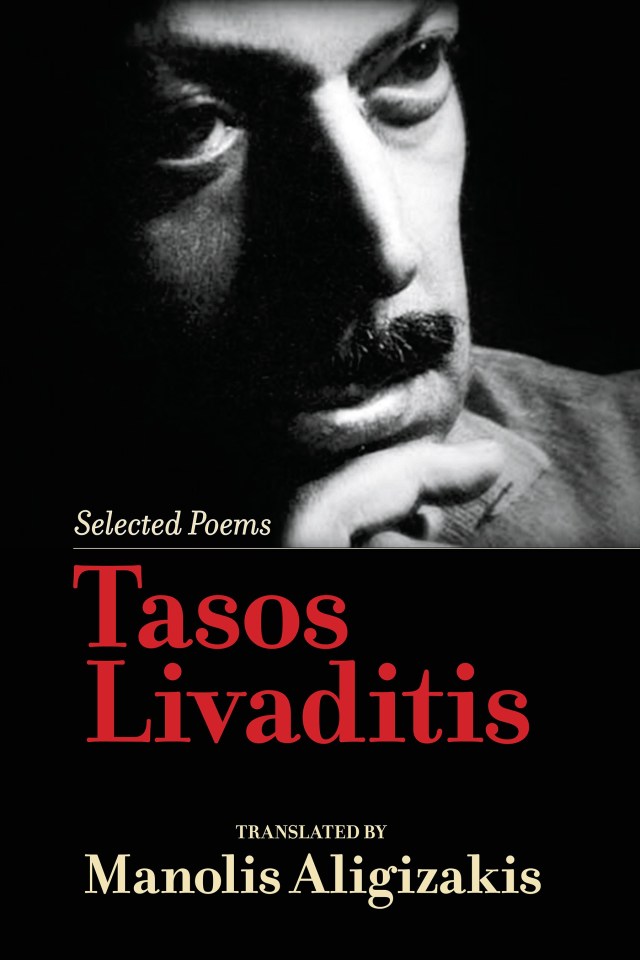
Mara: The Livaditis post, "For Maria," takes grief further: "as I stretched my arm to find your hand, it was as if I stole bread from the hands of the hungry." The Titos Patrikios piece, "Obstacles," turns inward — the speaker raising walls not to repel but to test how far endurance can reach. Katerina Anghelaki Rooke's "Stowaway in a Dream" and the Kariotakis-Polydouri post, "Lost," both circle longing and absence. The Fostieris, Livaditis, Introspection, Hours of the Stars, Orange, Medusa, and Neo-Hellene Anthology posts fill out a week's worth of translated voices, each one landing a different emotional register.
Pip: A lot of that longing has a political undercurrent — which is where the next segment lives.
Conflict, Division, and the Cost of Conviction
Pip: Several posts this week place characters inside political fracture — moments where ideology hardens into something people are willing to die, or kill, for.
Mara: The novel excerpt from Redemption captures it in texture rather than argument. Two characters are hunting near an olive grove when the mood shifts: "Hermes bent down and reached for the fluttering bird; he could see the huge pain in its eyes. Suddenly, the strange shudder overtook his body again, like when he was aboard the ship."
Pip: A man who can shoot without hesitating suddenly can't. That's doing a lot of quiet work.
Mara: The Unquiet Land goes louder — a pub argument about Irish partition, Lloyd George, Carson, and Sinn Fein, where Flynn Casey and Jim Patterson talk themselves toward the edge of civil war. The Troglodytes poem frames the same pattern more abstractly: institutional power dressed in sanctity, "Four Golden Gates to Heaven still stand firm while dividing into castes, races, and creeds." Ugga compresses it to almost nothing — half the planet on the line of fire, white doves, international agreements, and a dead avatar. Twelve Narratives of the Gypsy asks where conviction actually leads: "Strike Chimera mercilessly, life is just a dream."
Pip: From a pub in Ireland to a collapsed avatar in seventeen lines — the scale changes, the problem doesn't. Which brings us to the fiction, where the conflict gets personal.
Character Under Pressure
Pip: The fiction excerpts this week are less about plot than about the moment a character's interior life collides with what the world expects of them.
Mara: Small Change is the clearest example. Rico comes home to an empty house, finds a note, and sits alone in the dark rather than cross the street. When Marianna finds him, she asks what's wrong, and the excerpt gives us this: "He goes to the piano bench and opens it. He takes out the papers he has worked on and holds them up to her. Suddenly he feels very small, and scared and shy."
Pip: A kid showing someone his work in the dark — that's the whole thing, right there.
Mara: What the excerpt does well is hold the reader inside Rico's hesitation without explaining it. Poodie James works a different register entirely — a public hearing where Engine Fred defends a hobo against a bully's insinuation. He tells the council: "It is so not because he risked his life to save someone. It is so because under circumstances that would defeat most of us, he lives his life with independence, dignity and joy."
Pip: A defense of dignity delivered at a lectern, which is somehow more moving than it has any right to be.
Mara: Savages and Beasts stays procedural — RCMP officers questioning a caretaker and a Cretan cook about a murder, a missing kitchen knife surfacing as the key detail. Fury of the Wind puts Sarah in the middle of a crowd enjoying her distress, with Will Andrews forcing his way through to help her. Swamped follows Eteo walking English Bay, his thoughts moving between a drilling project, his parents in Crete, and Vietnamese fishers working nets in the shallows — immigration and displacement held in a single afternoon walk. And Cloe and Alexandra delivers the sharpest scene of the week: Antigony standing before six judges, hearing none of their words, then offering them her severed breast and announcing her name.
Pip: Antigony gets the last word, which feels right.
Mara: What ties the week together is that question of endurance — whether it's Cavafy's Alexandrians, Flynn Casey's republicans, or Rico in the dark with his papers.
Pip: Everyone's deciding how much of themselves to show, and to whom. More of that next time.