…whether he had a few or a few too many. Nevertheless, the horses were always taken care of first, brushed down, watered and fed, while the groceries and supplies were being removed, before we sought the comfort of the stove and the supper table. As time went on the farmers began building sled cutters which were completely enclosed and in which they installed a small wood-burning stove. These were marvelous units, gaily painted and creatively streamlined, providing the farmers and their families with a relative degree of comfort during the long treks into town to pick up supplies, medicine, groceries and mail. On those rare occasions when she accompanied him into town or when they visited with friends or relatives Mother enjoyed the opportunity to travel in the cutter that father designed and built. Modern travel had invaded the Saskatchewan outback and now only the horses had to suffer through the winter weather.
The brothers replied: “Ad deum qui laetificat juventutem meam.” To God, Who giveth joy to my youth. Brown Bear strolled alone to the bluff overlooking the bay. High above green waters and the multicoloured maples and birch on the far islands, he saw the first arrowheads of honking geese. Three generations of large white birds announced the coming snow and stirred the arrowhead of pain in Brown Bear’s heart. “My little Namid, do you fly with Grandmother Snow Goose to the land of warm breezes? Or does your spirit dance among your sister stars? My beautiful daughter, your father’s heart still boils with anger for those who took you from your home and snatched away your mother’s joy. It’s time, I know, my little Star Dancer, to take your bundle to the resting place of our ancestors. But we cannot take you there until your brother, Running Deer, and I make peace in our hearts, or else our anger will be carried with your bones. We will not be long, my little one. Fly safely on. We will not be long.” Though Brown Bear, Corn Mother and Running Deer had supported one another as a bereaved family, Brown Bear needed to renew his own energy and that of his family, within a village healing circle. As Sachem, White Eagle would organize a cleansing sweat lodge, erected new for the occasion. The sweat lodge would be built close to the stream, dammed to create a cooling pool. This work and the organizing of a healing feast would be done by the women of the tribe. All those who wished to join the circle knew they must make their intentions known to White Eagle well ahead of time and prepare for the ceremony with fasting and sitting apart in the forest. Brown Bear invited his friend White Bear, and Running Deer invited Mountain Thrush. Kiche, Sky Spirit, also was invited out of respect for his position among the newcomers. But Father Finten declined the invitation when he learned to his horror the ceremony would take place in pagan nudity. He forbade Brother Rordan to attend, but Mountain Thrush chose not to obey his priest’s command. Although she never attended the prayers of her companion Brothers, Ula felt drawn to the Native spirituality and asked if she could be included. She wanted to be closer to Corn Mother who had been so good to her when she was ill. Ula asked White Eagle’s permission to be part of the healing circle. Bjorn and Rordan knew that they represented the evil men who had brought pain to Brown Bear and his family and to Grey Wolf for the loss of his ear and the pride of his first kill. Now they’d listen and share with respect and truth and love, and help in the healing of their new brothers and sisters. In the days leading up to the healing circle, Bjorn, Rordan and Ula spent full days sitting beneath single trees in the forest until they each came to know the individual characteristics of their tree and how it was different from every other one in the forest. The day before the circle, White Bear, Mountain Thrush, and Una, were honoured with an invitation to the sweat lodge. Drums announced the sweat lodge healing ceremony. The circular lodge, big enough for thirty or more people, was built low into the ground with a framework of twelve sturdy saplings and covered with woven reed mats and fallen leaves. The tiny door, also covered with a mat, faced east, the source of life, power and wisdom.
How Can I Say It to You How can I say it to you? I want you fresh as buds and braves now that my heart expands calm and serene, with no shadows, diaphanous and clear calling inside it your beautiful reflections. Heartwarming joy when each of you lean your heads unsuspecting towards my heart, when you’re flooded by fairies and their ephemeral beauty with the secret peaceful light of my dream.
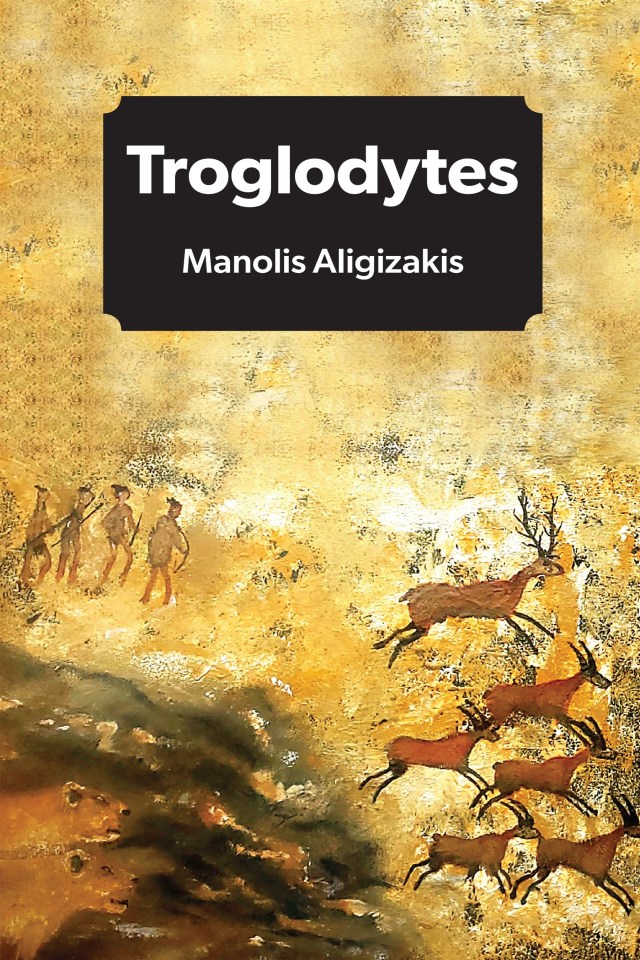
Millennia Millennia go by like fleeting moments incising lines in the wings of eternity like sounds morphing cacophony while nature’s green garment gets intoxicated by the aroma of a lilac and spreads its infinite smile to the moon dipped in your tears. The troglodyte stands in front of the pompous high altar he still trembles in fear, while the modern shaman’s imposing figure with the glittering tiara always commands him to kneel, his slavery is a smooth curse he cannot escape. The troglodyte still commanded by the four Golden Gates of Heaven holding him prisoner of the image.
“Do you think Nonno and Nonna will let me borrow the… ukelele sometimes?” “I think so, yes. But you’ll have to ask them.” When he talks with his grandparents the next morning, Rick can feel that his question has made them sad. Something that doesn’t need to be said passes between them. Then Nonno Arsenio puts his thick, strong arm around Rick’s shoulders. “We have give you Enrico’s name, caro. He would be glad you want to make music like him. Many years we save it, to keep him here, with us, but now we see, also, why. We don’t know all that time, but it was for you, too, that we save it. Maybe you play for us when you learn. Tomaso can teach you.” For the rest of the summer, for a few hours almost every day, he sits with his father in the big front room, learning where to put his fingers, the chords, and the keys. In the fall, he takes it back with him to the city. Year after year, through the long hot summers, cars come in from the city and park on the grass outside the fieldstone gateposts. Guests with smiling faces bring in their roasts and flowers and bottles of wine. There are hugs and handshakes, kisses, chatter and raillery and laughter. In the shade of the swamp willow that leans from a corner of the guest bungalow, long trellis tables are set up and covered with white cloth. People in shirt sleeves and suit-pants, in summer dresses and bathing suits with pink, sun-warmed faces renew old intimacies, drink pineapple and cream soda punch or red wine spritzers with ice from frosty, sweating pitchers cruised by flies, smoking, exchanging gossipy tidbits, arguing politics or points of law, flirting outrageously, trading friendly insults, sharing stories and the latest jokes. Theresa, large and gregarious, cooks in the outdoor kitchen, or talks to everyone at once as she pours narrow glasses of homemade Strega, asking after the numerous god-children she mid-wifed into the world, making real estate deals; and Arsenio, round faced, red with exertion and sheer enjoyment, picks lettuce, tomatoes, green peppers, cicoria, dandelion leaves, cucumbers, and onions for the evening salad. After the children are in bed, those who will stay overnight say good bye to those who are leaving and everyone moves to the arbour of grape leaves near the peach and cherry trees behind the big house.
Dennis was a top student, the school rep at the Science Fair. Afternoons he skinned cats. – Whatcha watching? – Show about bugs, replied young Ronnie. Fucking stupid. Dennis whispered, Got any smoke? Mrs. Stinson appeared, a towel around her head. Beads of hair colouring sluiced across her forehead. – Burt still not going to Aunt Peggy’s? she asked. The only way the Stinsons could have known about Burt’s recalcitrance was if someone had told them. Someone like Mom. Times like that I’d get these pictures in my head. I could see Al Stinson disguising his voice and mumbling threats into a telephone, the three conspirators having a good laugh afterwards. My brother knew about my visions. He figured I had psychic powers. Aunt Peggy was waiting for us at the bus station. With her was Bud, the latest boyfriend, and Mark, our cousin. Bud walked bull-legged and sucked on a toothpick. Mark was an awkward 12-year-old with eyes the colour of blue marbles. Aunt Peggy said he wore his cub uniform everywhere. – Are you a Sixer yet? asked Burt. Before developing other interests, my brother had been a pack leader himself. – I need one more badge, Mark said. Knots. The five of us squeezed into the cab of Bud’s pickup. Mark and his dripping Popsicle sat on my lap. Bud said, Don’t blink, fellas, you’ll miss the highlights. The town of Coppermine was divided by the Similkameen River, a marauding deluge of glacier-cold aqua roaring through a steep gorge. Mountains loomed on all sides, leaving the few thousand residents in shade for all but a couple of hours a day. The mountains also blocked TV reception. A bridge joined the wealthier west side of town with the poorer east. The narrow wooden span was a popular meeting spot for teens. A resentful congregation dissolved at our crossing. – That road there, said Aunt Peggy, indicating a gap in the trees, leads to the Cherry Creek Indian Reserve. They say all this land belongs to them.
With no Seat Behind the locked fences, the tumbled houses sit serenely. Nothing is left but the marks of the two stove exhaust pipes. The wild babies of the blind man’s buff perch there when the others, down at the soccer field, argue for no reason, and the others untangle the kites from the tree branches.
At the Metro II Your wandering eyes met mine and with a slight movement you guided my glance to the couple, who were kissing three rows in front of us I squeezed your hand love, baby I whispered and kissed your lips
He laughs and turns to look the other way. They are walking to her car, the same old Chevy Impala; it must be at least twenty years old by now. He remembers her having that car for a long time. “You still drive this Impala? I’m amazed it’s still running; and, yes, to come back to the subject of retirement, I’m thinking of retiring next year. And yes, I can see myself without the service.” “What are you going to do? Most people, after so many years with an organization, go downhill as soon as they retire, because they don’t know what to do with themselves. What are you going to do, Bevan?” “I haven’t thought about that yet, Evelyn. Perhaps I’ll come this way and retire with you in your hermitage and be as isolated as you for the rest of my life.” He makes fun of her. She starts the car and drives out of the parking lot; it’s a busy evening as most people have finished their work week and are headed home for the weekend. “You would be welcome to come and stay with us for as long as you like; but I know you, you like to be with lots of people. You could never live isolated in a hermitage, as you call it.” He turns to her. “Sometimes, one can feel isolated even among people, my dear Evelyn, particularly in the midst of lots of people, trust me.” Evelyn doesn’t respond as she concentrates on driving the busy streets of San Francisco. It takes forty minutes to get to her house, and they find William half asleep in his chair, watching TV. Evelyn shouts at him, “William, for God’s sake, you’re asleep, at six in the evening.” William gets up and shakes Bevan’s hand. “Hello, Bevan, what brings you this way?” “Hello, William.”
Talal and Hakim take the bags and go inside. The house smells stuffy from being closed up for so many days. The flowers in the pots are dry and Emily takes the watering can to freshen them up as she talks to Jennifer about her trip. It is, of course, hard for anyone to understand by just listening. “You’d have to go there to understand what it’s like, sweetheart; it’s difficult to grasp the way they live, which is so different from the way we do things here. Life goes on for them as it does for us. They’re people with dreams and…
Self-Betrayal He was naked. ey stoned him in the city. And he le with blood dripping behind him. “He wants to look defenseless” wise men said. But when we found him dead, further out in the fields, we saw on his naked breast the large painted bird eating his last garment.









 Manolis Aligizakis