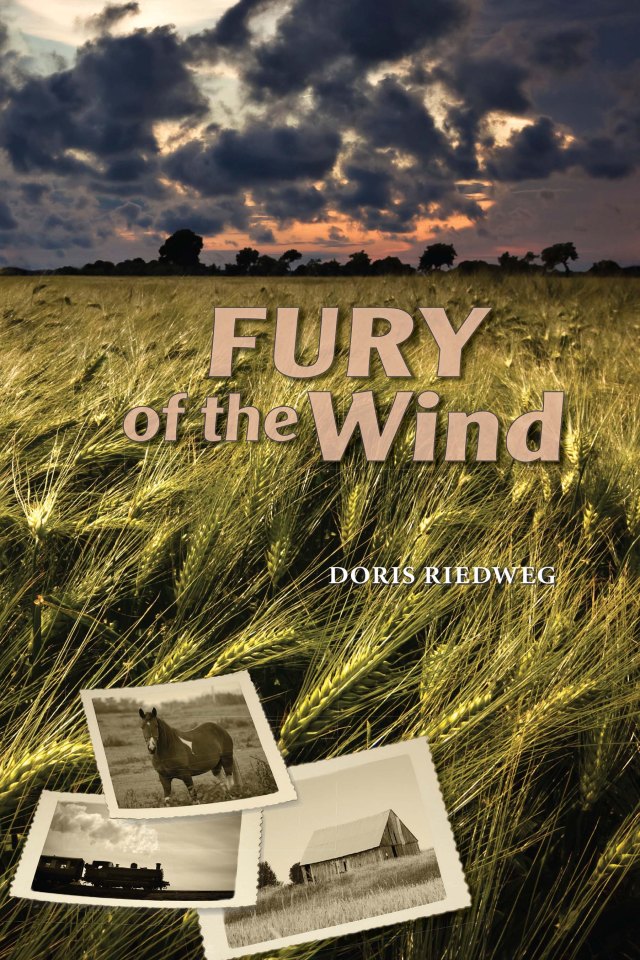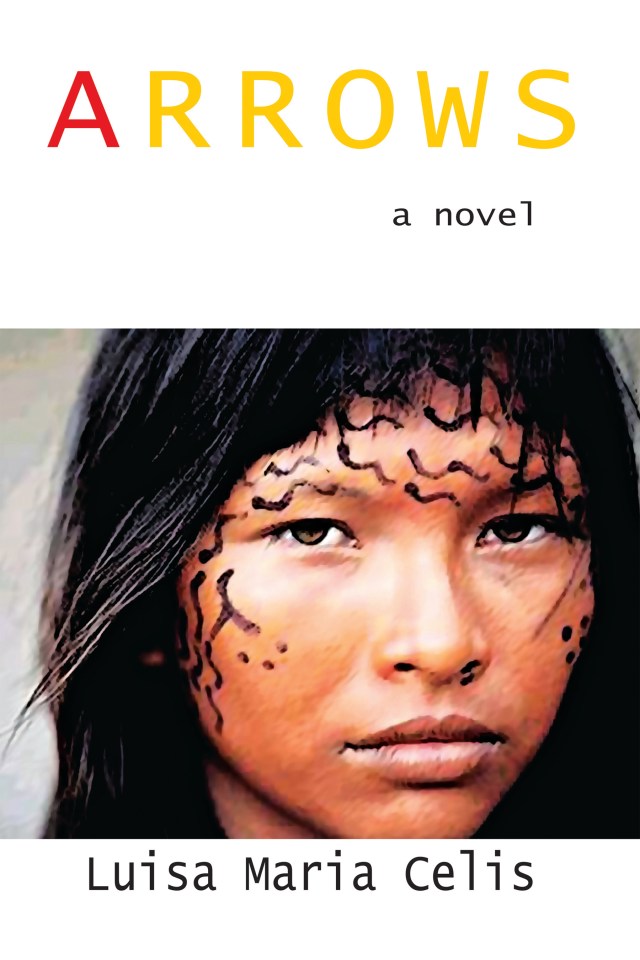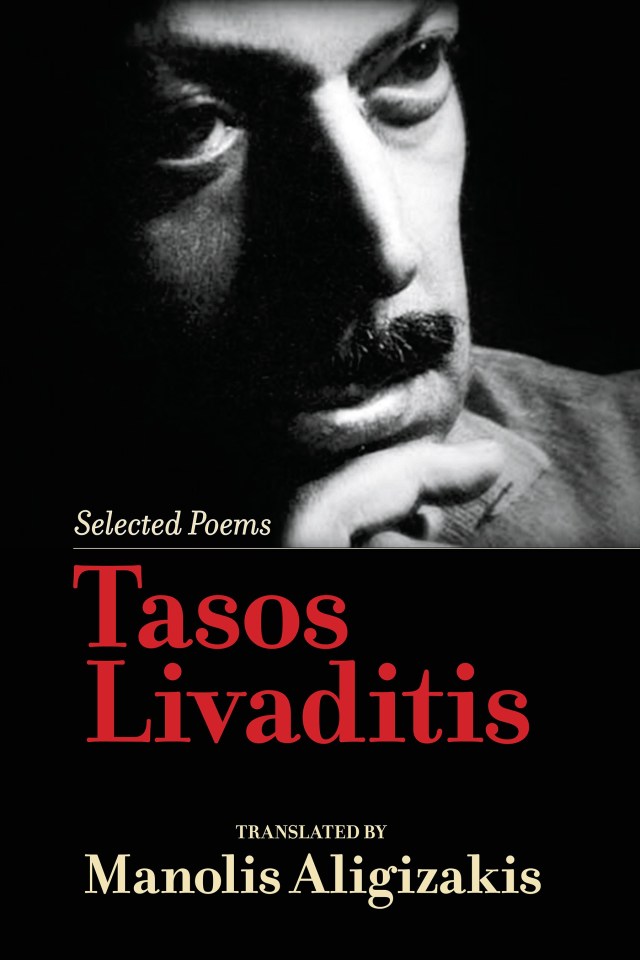
Pip: Manolis Aligizakis publishes the way some people breathe — steadily, in verse and prose, across centuries of Greek tradition and continents of lived experience, and apparently without pause.
Mara: That range is exactly what this episode covers. vequinox brings us poetry rooted in the Modern Greek tradition, fiction set in the rhythms of family and rural life, and prose that tracks what happens when people collide with systems, borders, and each other.
Pip: Let's start with the poetry.
Voices Out of the Greek Tradition
Mara: The Modern Greek poetry segment raises a real question: what does it mean to translate and present a tradition this deep — from ancient myth to twentieth-century masters — and keep it alive on the page?
Pip: The excerpt from Twelve Narratives of the Gypsy puts that question in mythic terms. The setup is a figure who outlasts every riddler sent to challenge her: "all the mouths which uttered the riddles were swallowed by the hungry Hades and she walked over their bodies."
Mara: So survival here is the answer to every riddle. The Sphinx-like figure doesn't solve the questions — she simply endures them, which is its own kind of mastery.
Pip: The Yannis Ritsos volumes — both Volume V and Volume VI — work in that same register of weight and endurance. Volume VI's "The Sick Man" watches darkness move toward naked figures and statues until it "lights the whole house" and transforms ordinary objects into something luminous. Volume V gives us a messenger announcing victory amid thousands of deaths, the king returning with "a wound between his eyes" through which death itself could see.
Mara: Introspection closes on a similar note of earned return — "from which I have come and to which I'll ultimately arrive at my destined hour." And the anthology Neo-Hellene Poets anchors that continuity in something smaller: a poplar tree that once answered laughter and now answers only tears.
Pip: Antony Fostieris offers the most compressed version of this whole project — a poem that defines a poem as simply "rhythmically contemplating emotion." Three words doing the work of a manifesto.
Mara: Opera Bufa, Nikos Engonopoulos, Orange, Entropy, Medusa, Yannis Ritsos Volume II, Tasos Livaditis, Cloe and Alexandra, Troglodytes, Wheat Ears — all of them circle the same territory: desire, mortality, the weight of history pressing into the present moment.
Pip: Which is also, it turns out, the territory of the fiction — just told in longer sentences.
Seasons, Soil, and the People Who Stay
Mara: The fiction gathered here under family and rural life isn't nostalgic so much as precise — these posts ask what it costs to belong somewhere, and what it feels like when belonging is about to change.
Pip: Still Waters sets that up in a single anxious domestic moment. Tyne has just accepted a marriage proposal, and the evening should be simple joy — but the excerpt catches her mid-hesitation: "I'm tired, that's all. Tomorrow, I'll be fine. Just let me go to bed now, and I'll be fresh as a daisy to take Cam to church tomorrow."
Mara: The gap between what she says and what she feels is where the whole novel lives. She watches her father take Cam's arm through the doorway and thinks "no more worries" — but the narration keeps undercutting her.
Pip: He Rode Tall trades domestic interiors for the arena. Joel and Tanya are in the finals, twenty horses, thousands watching, and the warm-up pen is almost meditative — he doesn't want nerves to make him overwork his horse before the performance even starts.
Mara: Swamped goes further back — two boys in a Cretan summer, watering tomato rows by hand, stealing a watermelon from a neighboring field, counting swims at the end of each day. Anthony selects the ripest melon by the sound it makes when tapped.
Pip: Prairie Roots does the same work in a Canadian winter register — stubble turned over, fences repaired, straw hauled to the barn, the first snow arriving before every chore is finished.
Mara: Jazz with Ella shifts the stakes entirely. The rural quiet is gone — the scene is an airport, a man named Volodya terrified at a security line, his companions forming a quiet circle around him. The question "what are they looking for" carries a completely different weight here than it does in a tomato field.
Pip: And then there's Wheat Ears, which compresses all of this into a short poem about a person who keeps urging change while never leaving the recliner.
Mara: The tension between staying and moving runs through every one of these — which is also what the next set of posts is made of.
When the System Pushes Back
Mara: The fiction in this segment puts characters directly against institutions, communities, and the small frictions that reveal larger fault lines — the question is how people hold themselves together when the pressure is social and the rules keep shifting.
Pip: In Turbulent Times sets that up through what isn't said. Caitlin learns that Connie has stayed behind at the cottage after Robert left, and Michael never mentioned it. The scene plays out in careful domestic choreography: "If Caitlin had had any suspicions about Michael and Connie Hanlon, remembering how Connie had come on to him in the square in Corrymore on Tuesday, she did not show them."
Mara: The restraint is the point. The whole excerpt is about watching and not speaking, suspecting and not asking — the farmhouse kitchen as a pressure vessel.
Pip: Small Change runs a different kind of social friction — street-level, adolescent, transactional. A kid who gets straight A's in a neighborhood of C-minuses rents out a Stilson wrench to Paulie, the local legend, for a buck an hour or any fraction thereof.
Mara: The negotiation is sharp and funny, but the stakes are real — belonging in that world means knowing how to do business without losing standing on either side.
Pip: Straits and Turns moves that immigrant-workplace dynamic into a Vancouver factory, where Mike writes a poem on folded toilet paper while waiting for Luigi to finish his shift tasks, and the Italian-Greek solidarity is summarized in a single phrase: "una fatcha una ratsa."
Mara: The Qliphoth takes the friction into something stranger — Lucas, trapped in what reads like a nightmare transit terminal, punches an iron pillar to test whether the world is real, and the guards and bystanders laugh in unison while a security conference crackles around him.
Pip: All four of these are about the same thing: what a person does when the system looks back and doesn't recognize them.
Mara: From mythic riddles to tomato fields to airport security lines — the thread connecting all of it is people trying to locate themselves inside something larger.
Pip: And the poetry keeps asking whether language is the map or the territory. Next time, we'll see where that question leads.