IV There was a vacant seat in the open-air theatre where we had gathered; the city was in danger, we had no time, we had to decide quickly “Who are we waiting for?” one asked the other, showing the vacant seat; the day passed noisily, with angry exchanges, voting and every so often “who are we waiting for?” they asked, until, suddenly, a leaf fell off a tree and after it made a circle in the air, over the human noise, it came and landed on the vacant seat. Perhaps it meant something more important.
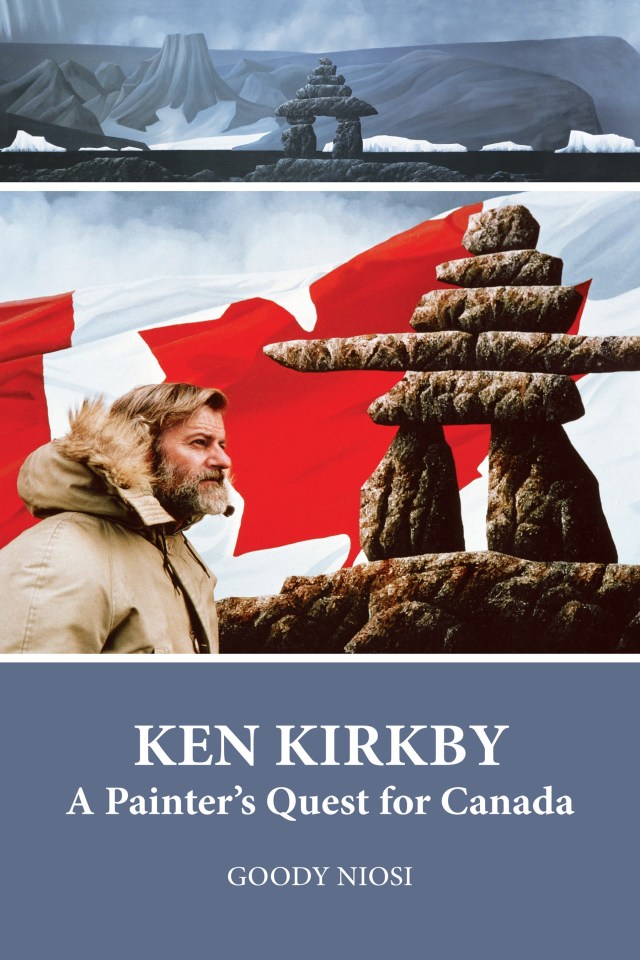
Bruce Davidson assessed the spectacle and said, “You’re an agent’s dream. Usually we have to concoct all this crap and get the artist to go along with it. But here – man, it’s hard to keep up with you. It’s never going to be boring.” “No,” Ken said. “It’s never going to be boring.” When the fuss died down he had the boulder removed and put the ten thousand dollars back into his bank account. Summer turned to early fall and Nick’s symphony for Isumataq neared completion. The rock CD had been recorded. But they still had no site for the unveiling and the more they discussed it the more they came back to the idea of Parliament as the venue. But how do we get our foot in the door there? Bruce asked. Ken scheduled a breakfast meeting with the Honourable John Fraser, Speaker of the House and they met a few days later. Over bacon and eggs, Ken laid out his ideas for the unveiling of Isumataq. “I know it’s not done,” he said. “People don’t take over the Houses of Parliament for exhibitions or art openings.” “Well,” John said. “Let me think about it. I think it’s a wonderful idea. We’ll have to get approval from all the parties, because you have to have everyone on board when you do something like this. If you’re going to do something that hasn’t been done before you don’t want to just shove it down somebody’s throat. You want to get everybody on side, so the story has to be told very well. I know your story and it’s wonderful. You’re the one who should come and tell it, but then there are the logistics of getting all those people together. And then, depending on the particular day, they may be angry with each other – it gets so complicated. Let’s just work away at it.” The winter of 1990 settled in, and Ken received a call for help from Keith. As president of the Arctic Tourist Association, he was scheduled to make a presentation in a downtown Toronto convention centre to Tom Hawking, the Federal Minister of Arctic Affairs. The snag was that as he was driving his caterpillar over the ice to his island airstrip, the machine had crashed through and he had to get it out before it leaked diesel fuel into the river. Would Ken make the speech in his place, and would he present the Minister with one of his paintings? The comedian Dave Thomas emceed the event. Ken was the last to speak and he talked about the importance of tourism to the Arctic and how important it was to allow those who lived there to make the decisions about the infrastructure – let them build it in their own way. Let Nunavut be their land and a land of their ideas. Hawking requested a private talk and they met for a drink the next day. He asked to hear his story – the long version – all the details of his travels through the Arctic and the road that had led to the creation of Isumataq.
The Souls of Old Men The souls of old men sit in their withered bodies. How sad those souls are and how fed up with the miserable life they lead. How they shiver at the thought of losing it, and how they love it, those confused and conflicting souls that sit, tragically, in their devastated skins.
VI Behold. Please, stay on this hymn, the young poet cries out now. With the skylark of his vision and logos standing unfettered by the tempest, as a lightning bolt, the poet records the marks of the wild wind on the falcon’s feathers, the young poet enters as the coolest breeze in the heart of July’s noon hour ruffling the petals of the jasmine and caressing the virgin’s pubic hair like a soothing kiss on the forehead of dawn the young poet enters with his dream before the counting of heartbeats, with feelings of red roses he takes notice of the neighbour’s littleness which defines these leaden days. Behold. Please, stay on this hymn, the young poet cries out now, freshly cut from the womb of a mother with the tribute of his chalice as from the arc of the bluest sky the young poet enters bearing gifts.