…as if all gestures existed in a different world and the distant memory of them reached here and it’s strange how untrue the most real things look sometimes ah mother when you gave birth to me you should had given birth to a rock as now that I have grown please count all my struggles and her voice resembled the night, when one walks alone and only the frost of the unstoppable winter comes to meet him and the lights mark the length of an unknown road. And no one waits for you. And you wait for no one. For a moment the man stood on the first step before he climbed up; he resembled a deserted mausoleum of a hero who was once loved, believed in, praised with song and frightened until what ripens the wheat ears and wilts Eros and crowns patience and as a guide of the universe leads each of us to our proper place, time, the just time suddenly undressed him of all his glory and grace, songs and fright and threw him in the middle of contempt, all alone and crashed and miserable and totally humane.
Pip: Manolis Aligizakis has assembled a catalog that moves from ancient Greek shores to Canadian prairie schools to a Moscow hotel hallway — and somehow it all holds together.
Mara: vequinox brings it together across poetry translations, novels, and short fiction — territory we'll cover through modern Greek verse, prose excerpts, and the themes of love, memory, and identity that run underneath all of it.
Pip: Let's start with the poetry.
Voices Across the Greek Tradition
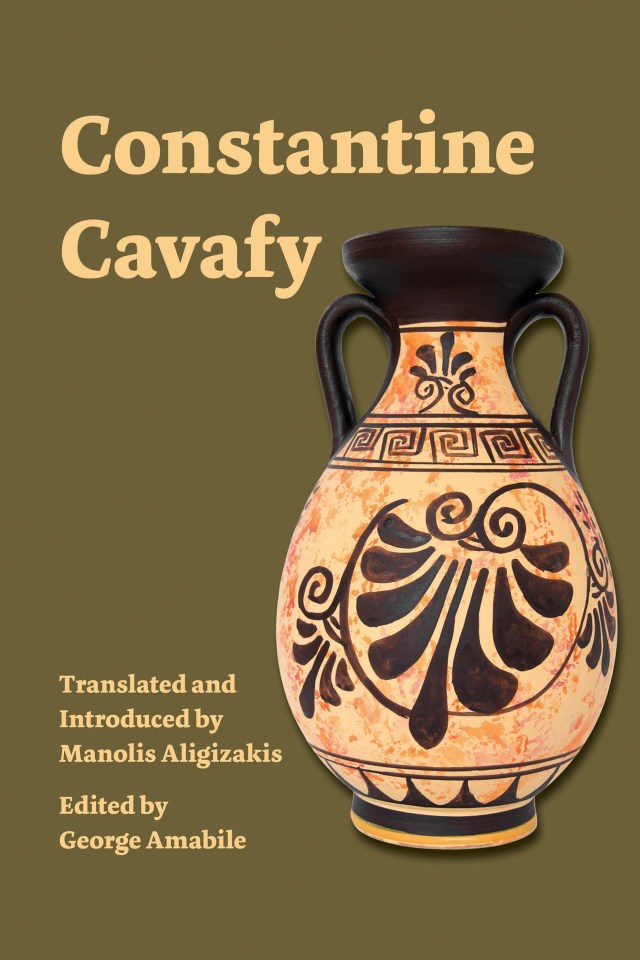
Mara: This segment is about what it means to translate a literary tradition — to carry voices like Cavafy, Ritsos, Engonopoulos, and others across languages without losing what makes them cut.
Pip: And Cavafy cuts immediately. The setup in "The City" is a man planning his escape — new land, new sea, fresh start — and then the poem turns on him completely.
Mara: The turn is the whole poem. "New lands you will not find, you will not find other seas. The city will follow you. You will return to the same streets. You will age in the same neighbourhoods, and in these same houses, you will turn gray."
Pip: So the upshot is that geography is not the problem. The self is the problem — and it travels with you, luggage you cannot check.
Mara: Engonopoulos makes a different kind of claim in "Nikos Engonopoulos – Poems." His "Angry Poem About the Occupation" turns elegy into defiance — workers dropping their tools, fists raised, a martyred figure walking the earth pale-lipped but beloved.
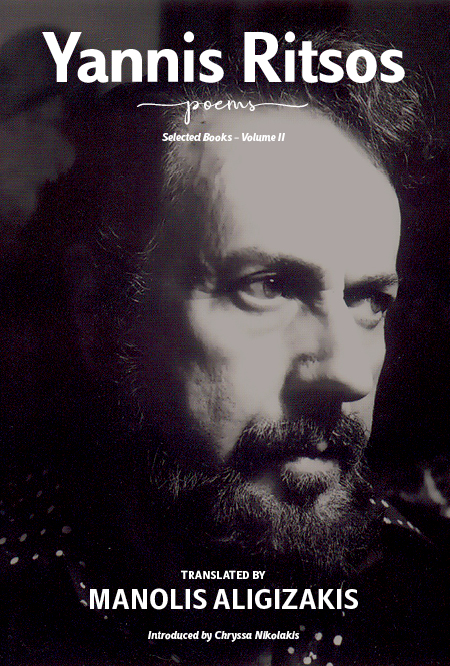
Mara: Ritsos appears across multiple volumes here. "Yannis Ritsos – Poems, Volume II" gives us a boatman striding into a harbor at dawn, the sun rising like a woman's wet hair curled around cranes — sensory and grounded. "Volume V" and "Volume VI" are quieter, more unsettled.
Pip: "Kariotakis-Polydouri, The Tragic Love Story" brings the biographical weight — two poets whose lives ended badly, rendered here in verse about a woman at a piano, butterflies leaving through a window.
Mara: "Tasos Livaditis – Selected Poems," "Katerina Anghelaki Rooke – Selected Poems," "Hours of the Stars," and "Troglodytes" fill out the range — from Livaditis's compressed night imagery to Anghelaki Rooke's half-words and olive tree shapes. "Neo-Hellene Poets" and "Orange" and "Mythography" sit alongside them as further evidence of how wide this tradition runs.
Pip: From classical echoes to prairie roads — the fiction covers different ground entirely.
Prose Across Borders and Generations
Mara: The fiction here spans continents and registers — from a child's first bus ride in wartime Canada to a Moscow reunion to a painter's Arctic trek — and the question running through all of it is how people find their footing in unfamiliar places.
Pip: "Water in the Wilderness" opens that question gently. A woman named Tyne has been living on hospital food, and her friend Moe has kept a phone call from her on purpose.
Mara: The reason matters: "Moe smiled. 'Morley is awake and asking for you.' Tyne let her breath out on a deep sigh, sat back and covered her face with her hands. 'Thank you, God, thank you,' she whispered, then shot out of her chair and ran to get her coat."
Pip: Relief as a physical event — breath, hands, running. The excerpt earns it without explaining it.
Mara: "The Qliphoth" operates in a completely different register — adult, raw, interior. "In Turbulent Times" follows Ian, a man trailing a woman named Nora through a coastal Irish hotel, his knees literally trembling at the bar. "Redemption" gives us a young man leaving home for Vancouver, his father crying openly at the table.
Pip: "Wellspring of Love" brings back Rachael, older now, stuck on a dusty highway while her cousin heads west — and "Water in the Wilderness" shows us Rachael younger, boarding that bus for the first time, shuddering at its size.
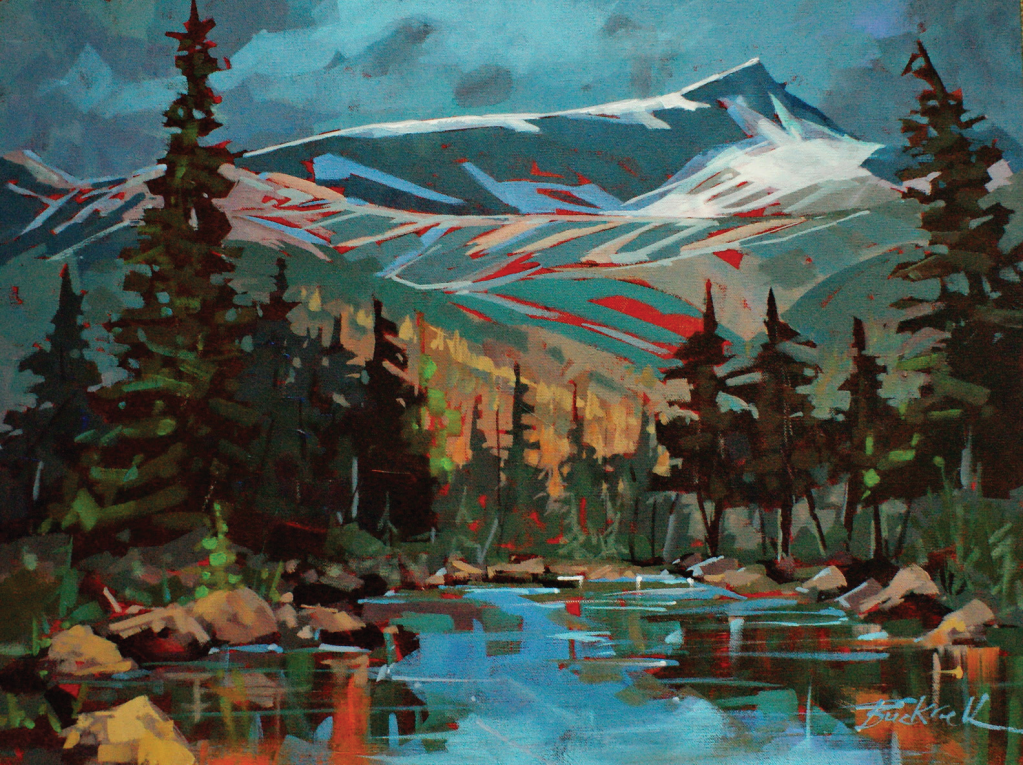
Mara: "Jazz with Ella" lands its protagonist in a Moscow hotel corridor and delivers the line "We are your family" to a woman who was certain she had no family there. "Ken Kirkby: A Painter's Quest for Canada" documents a real exhibition at Parliament — a painting one hundred and fifty-two feet long, twenty years in the making.
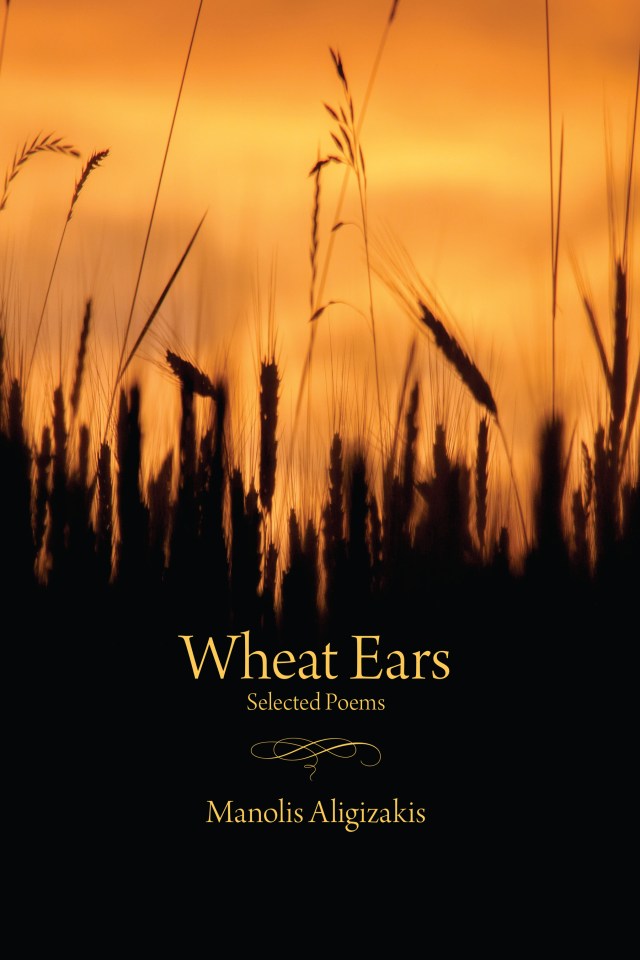
Pip: "Small Change" puts a boy in a Pennsylvania classroom trying to locate his immortal soul while Sister Assunta slaps a pointer against her palm. "Prairie Roots" is lunch-hour softball and girls comparing notes in the willows. "Wheat Ears" and "Cloe and Alexandra" round out the set — one a memory of Cretan youth, the other a poem built around a denial: it wasn't me in that yellow cab, it wasn't snowing, I have no hair.
Mara: What ties them together is the texture of ordinary life under pressure — the meals, the car keys, the Scotch ordered twice.
Pip: And underneath the prose, there's a question the poetry keeps asking too — about where you belong and what you carry.
The Self That Cannot Escape Itself
Mara: Love, memory, and identity keep circling the same problem across these works: the past is not behind you, it is inside you, and it shapes every attempt to move forward.
Pip: Cavafy says it flat out. "As you have wasted your life here, in this small corner, you wasted it in the whole world." There is no smaller indictment.
Mara: Ritsos in "Yannis Ritsos – Poems, Volume V" reaches for the same idea differently — a man who keeps a small mirror in his pocket because it's the one fixed point when everything else shifts without warning.
Mara: "Kariotakis-Polydouri" holds memory as tenderness — butterflies always flying out through the window. "Mythography" turns inward to still water and a fir tree asking the night for wisdom. "Introspection" names it directly: practicing a religion on the longing for the past.
Pip: "Orange" answers that longing with the wind's reply — your sunshine hides in your heart. "Hours of the Stars" writes love onto the mountain tops of memory. "Katerina Anghelaki Rooke" and "Troglodytes" close the circle — half-words left behind, and a young poet begging the Muses to free him from his own imposed fears.
Mara: The pattern holds: escape is not the remedy. The work is staying present to what you carry.
Pip: A city that follows you, a mirror in your pocket, a bus you board for the first time — it's all the same question dressed differently.
Mara: Where you are, and what you brought with you. More from this site next time.
Privilege I don’t get it, he says, this up and down. To forget I look in the small mirror. I see the immobile window; I see the wall. Nothing changes in or out of the mirror. I place a flower on the chair (if it lasts). I live here, at this number, on this street. Suddenly they lift me (with the chair and the flower) they take me down, carry me up, I don’t know. Luckily, I managed to put this mirror in my pocket.
Angry Poem About the Occupation Don’t tell me the Kouroi that adorned the Hellenic shores have abandoned this forsaken place. This land, this black land, thousand times embittered never stopped to give birth to brave men. Even if we shed tears, we mourn their loss and are joyous for having them as our brothers. Who shall cry for the death of so many brave men? I shall cry and narrate their glory, but now I sing for Mitsos Asteriou, the eagle of Roumeli Tower of Atalanta, the brave, the manly, is among the first brave men of justice and freedom. His heart was as big as the mountains and his mind as high as the cypresses. Workers, let go of the tools let go of the hammers and with both hands show your contempt for the fascists, the lawless perverts who swore to the night that surrounds them, to enslave the World and spread darkness. And now tighten your fists, raise them high let us all together sing the song of the workers’ victory: and behold, Mitsos is walking on earth. His face is pale, his lips embittered although benevolence always shines in his eyes. He’s the one who believed, who was full of love look at how he extended his bloodied hands to us to hold us tightly onto his ripped chest. To the wall they brought him blindfolded to be killed to the place they leaned his kind body the stones shed tears and wail like ghosts and an eagle, Hellenic eagle, flies over there and shades the black place with his wings and constantly groans, exhumes bitterness and curses.
The City You said: “I’ll go to another land, to another sea. I’ll find another city better than this one. Every effort I make is ill-fated, doomed. And my heart, like a dead thing, lies buried. How long will my mind continue to wither like this? Everywhere I turn my eyes, wherever they happen to fall I see the black ruins of my life, here where I’ve squandered, wasted and ruined so many years.” New lands you will not find, you will not find other seas. The city will follow you. You will return to the same streets. You will age in the same neighbourhoods, and in these same houses, you will turn gray. You will always arrive in the same city. Don’t even hope to escape it. There is no ship for you, no road out of town. As you have wasted your life here, in this small corner, you wasted it in the whole world.
Stories Yes, I couldn’t deny my promise to mention my first cousin Antony best dancer of western Crete and narrate his sweet story impossible not to include it in my recollections like the beautiful breasts of the girl I touched behind the movie theater in that side street where we frequented when the bright lights could reveal our secret thoughts and like my distant cousin, who once jumped from one edge of a ravine to the other just to defy Death yes, between the two edges three meters apart where just thirty meters lower Hades’ gaping mouth lurked, I too dared touch the breast of the fourteen year old girl
Dawn A boat-man passed with wide strides in the light-blue dawn, young, suntanned, ample in his body, brutish, he turned in the quay towards the jetty. The echo of his big, wet soles was heard all over the harbor. And then, the lights of the quay, the old houses, the faded window shutters, despite their rusted hinges, the dust, the spiders, were ready for dawn. And truly the sun came up; its rosy and gray color curled around the cranes of the quay like the hair of a woman after her bath.
Tribute Forehead of silver and your blue eyes reflected beautifully as you opened the piano two fresh roses shivered in the vase like flowers your temples bloomed. Your hands fought and won against the keys that retrieved creating notes, the melody reward. We listened. And the emotions-slaves regained their freedom. Years have gone, well I don’t remember, though I believe that you had also sung unless the nightingales sang whether silent or talking your lips are fountain when my years are but tired deer. Butterflies will always flutter leaving the pollen on the hand goodbye only but a rustle, your hand as silk when you vanished; butterflies will always fly out through the window.
There were wooded areas and areas hidden by rows of willows where the individual groups settled and began the lunch ritual. The girls might spend the entire one-hour break eating and comparing “boy” notes, and preening themselves and each other. And always a toilet break it seemed, before starting back to the school to wash and brush. The boys rushed through lunch, even in the spring sun, and were back on either the football field or on the softball diamond, to play scrub ball. Two sides were chosen and after every one on the batting side had a chance to bat, the batters went out on the field and the fielders hit. It was a great way of involving whoever wanted to play. The lunch hour flew by and all too soon the bell was being rung. On occasion, the two teachers joined in and the lunch hour would be extended by ten to fifteen minutes. Every minute was a bonus.
Depth of thought only brings illumination to the surface of my mind
On the translucent surface of this evening I’ll reflect said the tallest fir— calling the night pneuma to dance in thankfulness Great Spirit observing from within my serene eyelids to asking words of wisdom from breeze faintly stroking my trunk as though a painter’s brush defining my wish of letting today’s tiredness behind and delve into the spirited mind of water image floating on smooth skin of the lake